

Singapore continues to lead Asia as a center for innovation and digital transformation. As businesses expand across markets, they face growing challenges in managing data, compliance, and operations efficiently. Manual systems and disconnected software often lead to delays, errors, and missed opportunities.
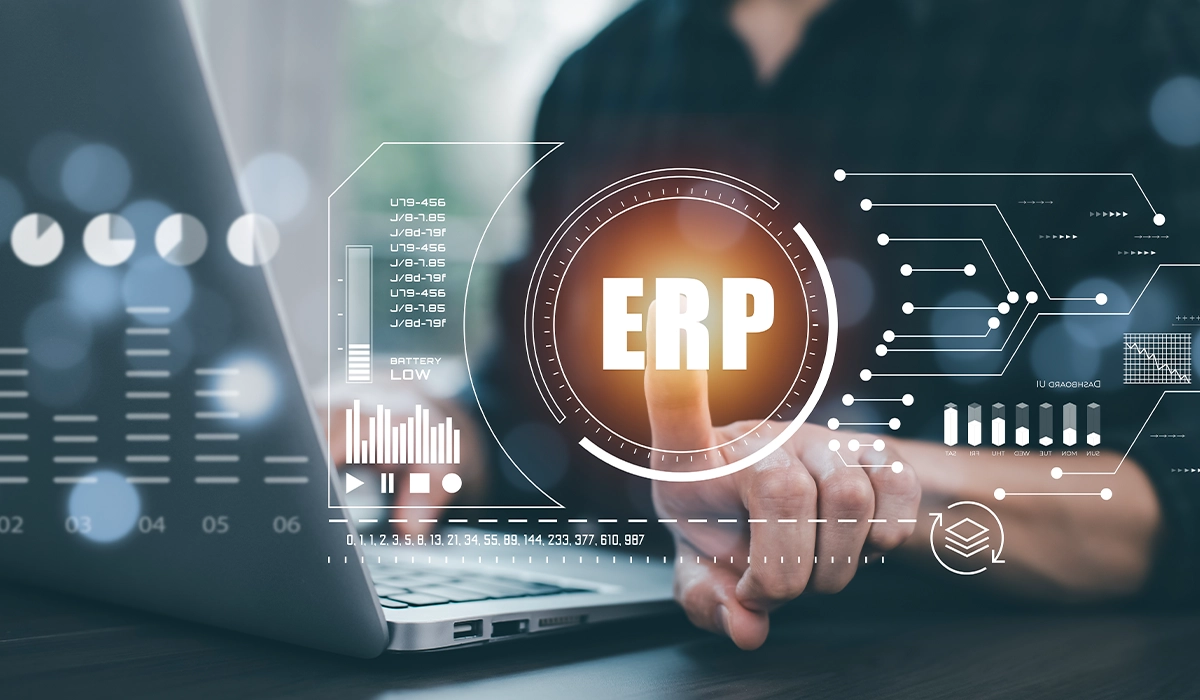
An ERP system (Enterprise Resource Planning) integrates every part of a business—from finance and HR to inventory, procurement, and sales—into one unified platform. This improves visibility, reduces costs, and allows data-driven decision-making.
By 2026, implementing an ERP system in Singapore will no longer be optional but essential for companies that want to stay competitive in a data-driven economy. Syngrid Technologies provides the insights and expertise Singaporean businesses need to plan and implement ERP systems effectively.
What is an ERP System?
An ERP system is a centralized software that manages key business functions through a single platform. It connects departments such as finance, accounting, HR, sales, and supply chain, helping businesses operate more efficiently.
For Singapore-based companies, ERP systems help achieve greater transparency, improve collaboration between teams, and ensure compliance with local authorities like IRAS, MOM, and ACRA. Instead of managing separate systems, companies gain a single source of truth for all operations. repurpose blog posts into newsletters or social media snippets to maximize reach.Consistent, educational content keeps your brand visible and trustworthytwo vital components of long-term e-commerce success.
How ERP Enhances Business in Singapore?
ERP systems bring measurable improvements to business performance and growth. In Singapore’s fast-moving business environment, companies must adopt systems that improve accuracy, cut costs, and enable smarter decisions.
Here’s how ERP enhances business operations:
Centralized Data: All departments can access real-time, accurate data for faster decision-making.
Regulatory Compliance: ERP systems help meet Singapore’s tax and reporting standards.
Improved Productivity: Automation reduces manual work and boosts team efficiency.
Informed Decision-Making: Business leaders gain insights through dashboards and analytics.
Customer Satisfaction: Faster response times and better order tracking improve client relationships.
ERP implementation allows businesses in Singapore to maintain control and scalability while adapting to rapid technological and market changes.
Challenges in ERP Implementation
Despite its benefits, ERP implementation comes with challenges that require proper planning and execution:
Data Migration: Transferring legacy data accurately takes time and precision.
User Training: Employees must adapt to new digital workflows and processes.
Customization: Aligning ERP modules with unique business needs is crucial.
Budget and Timeline: Implementation requires investment and structured rollout phases.
When handled strategically, these challenges become opportunities for process improvement and long-term growth.
Benefits of ERP Systems in Singapore
ERP systems create measurable value across departments and industries. Some key benefits include:
Greater Efficiency – Automates tasks and reduces duplication.
Accurate Reporting – Offers real-time financial and operational insights.
Cost Savings – Eliminates inefficiencies and improves resource allocation.
Enhanced Collaboration – Improves communication between teams and departments.
Scalability – Supports business expansion and multi-location management.
For Singaporean SMEs and enterprises, these advantages support both local and regional competitiveness.
Choose a Scalable and Future Ready ERP Approach
ERP systems continue to evolve with cloud computing, analytics, and AI integration. Singapore businesses should focus on choosing ERP systems that can adapt as technology advances.
A future-ready ERP system offers:
Cloud-based access and scalability
Integration with CRM, HRM, and financial tools
Real-time analytics for performance tracking
Strong data security and compliance management
Adopting a scalable ERP approach ensures businesses stay flexible, efficient, and well-positioned for growth beyond 2026.
Why Singapore Businesses Need an ERP System in 2026?
The digital economy in Singapore is advancing rapidly, driven by government initiatives and a strong focus on innovation. To stay ahead, businesses must manage information, operations, and compliance efficiently. An ERP system plays a crucial role in achieving this.
Here are the key reasons why ERP systems will become essential for Singapore businesses by 2026:
1. Rising Need for Data Accuracy and Real-Time Insights
Businesses today handle large volumes of data from multiple sources. An ERP system ensures accuracy by centralizing all data in one place. It provides real-time insights that help management make informed, timely decisions.
2. Greater Operational Efficiency
ERP systems automate repetitive tasks and integrate various departments—finance, HR, procurement, and sales—into a unified platform. This improves coordination, reduces manual errors, and boosts overall productivity.
3. Compliance with Local Regulations
Singapore’s business environment demands strict adherence to financial and employment laws. ERP systems simplify compliance with agencies such as IRAS, MOM, and ACRA by automating reporting, tax submissions, and payroll management.
4. Cost Control and Resource Optimization
By providing visibility into every aspect of operations, ERP systems help businesses manage budgets, track expenses, and allocate resources effectively. Over time, this leads to significant cost savings and better financial control.
5. Enhanced Decision-Making through Analytics
Modern ERP systems include analytics and dashboards that deliver insights into business performance. Leaders can track KPIs, monitor trends, and predict future demands—helping them plan strategically and stay competitive.
6. Scalability for Business Growth
As companies in Singapore expand regionally or globally, ERP systems make it easier to manage multiple branches, currencies, and tax jurisdictions. They grow with the organization and adapt to changing needs without major disruptions.
7. Competitive Advantage in a Digital Economy
By 2026, automation, data-driven decisions, and operational visibility will define successful businesses. ERP systems enable organizations to respond faster to market changes, improve customer satisfaction, and maintain a competitive edge.
Why Choose Syngrid Technologies for ERP Software in Singapore?
Choosing the right ERP partner is as important as selecting the system itself. A successful ERP project requires experience, customization, and continued support. Syngrid Technologies is a trusted ERP partner in Singapore, providing complete guidance and industry-focused implementation that helps businesses get maximum value from their ERP investment.
1. Understanding of Singapore’s Business Environment
With deep experience across local industries, Syngrid Technologies ensures your ERP system aligns with Singapore’s compliance, tax, and financial standards.
2. Industry Expertise
We deliver ERP systems tailored for sectors like retail, manufacturing, logistics, and services—supporting your specific workflows and business goals.
3. Scalable ERP Systems
Our ERP solutions grow with your business, adapting easily as you expand or add new operations.
4. Integration with Key Business Tools
Syngrid Technologies connects ERP with CRM, payroll, HR, and analytics platforms to create a unified system that enhances collaboration and decision-making.
5. Data Security and Compliance
We ensure your ERP system follows Singapore’s data protection and regulatory standards, helping your business stay secure and transparent.
6. Ongoing Support
Our partnership continues beyond deployment with training, technical assistance, and system optimization for long-term efficiency.
7. Long-Term Partnership
We work closely with clients to keep ERP systems efficient, up to date, and aligned with evolving business and technology trends.
Syngrid Technologies is more than an ERP vendor—it is a strategic partner helping Singapore businesses operate smarter and prepare for the future.
Conclusion
ERP systems are transforming how businesses in Singapore operate, manage data, and make decisions. By integrating all business functions into a unified system, companies gain better visibility, stronger compliance, and faster execution.
For small and medium enterprises, ERP systems simplify management and improve financial accuracy. For larger organizations, they create standardization and control across regions.
As Singapore continues to lead in digital innovation, adopting an ERP system is a strategic move toward a data-driven, future-ready enterprise.
Syngrid Technologies encourages businesses to embrace ERP as a foundation for long-term success. With the right system and implementation strategy, companies can enhance collaboration, optimize performance, and confidently face the evolving challenges of 2026 and beyond.