Syngrid

Global Payroll

Global Payroll

Why Top Candidates Accept Other Offers Before You Contact Them

“The best candidates don’t stay available for long. The companies that move faster usually win.” Recruitment today isn’t suffering from a lack of talent.   It’s suffering from a lack of speed.   Many businesses spend weeks reviewing resumes, coordinating interviews, and manually shortlisting applicants only to discover their strongest candidates have already accepted another opportunity.   By the time recruiters reach out, the decision has already been made.   And the cost is higher than most companies realize. The Hiring Delay Most Businesses Don’t Notice Hiring teams often assume candidates remain available throughout the recruitment process.   Reality is different.   Top candidates actively apply across multiple companies and typically receive several opportunities simultaneously.   Even a few days of delay can impact outcomes.   Common causes include: Manual resume screening Slow candidate shortlisting Delayed internal approvals Poor recruiter visibility Too many applications to review The result?   High-quality candidates disappear before meaningful engagement begins. Why Speed Has Become a Competitive Hiring Advantage Candidates evaluate employers the same way businesses evaluate talent.   A slow process often signals the following:   Poor internal coordination Lack of decision-making speed Weak candidate experience   Fast hiring creates momentum.   Candidates feel valued.   Recruiters stay productive.   Teams fill roles faster.   Modern recruitment is no longer about reviewing more resumes.   It’s about identifying the right people faster. The Problem With Traditional Recruitment Processes Manual hiring workflows create unnecessary friction.   Recruiters spend hours reading resumes, comparing candidates, updating spreadsheets, and tracking applications across disconnected systems.   As hiring volume grows, delays multiply.   Businesses struggle with: Resume overload Missed top candidates Inconsistent evaluations Limited recruitment visibility Longer time-to-hire This situation creates hiring bottlenecks that directly impact business growth. How AI-Powered ATS Is Changing Recruitment AI is helping recruitment teams reduce repetitive work and focus on decision-making.   Instead of manually reviewing every application, recruiters can instantly identify stronger matches using structured evaluation.   Modern ATS platforms help businesses: Screen resumes faster Match candidates against job descriptions Generate candidate insights Centralize hiring workflows Improve recruiter productivity The outcome is simple:   Better hiring decisions in less time. How Syngrid Helps Businesses Hire Faster Syngrid Technologies offers an AI-Powered Applicant Tracking System (ATS) designed to simplify and accelerate recruitment.   The platform combines intelligent screening with centralized hiring workflows to help businesses identify stronger candidates faster.   Key capabilities include:   ✔ AI-powered resume screening✔ JD-based Resume Analyzer✔ AI Score Summary✔ Keyword Match Evaluation✔ Candidate tracking dashboard✔ Faster shortlisting and hiring decisions   By reducing manual recruitment effort, Syngrid helps businesses engage top candidates before competitors do. Final Thoughts Top candidates are rarely unavailable.   They’re simply hired faster.   Companies that continue relying on manual recruitment processes risk losing strong talent before conversations even begin.   The businesses winning talent today are not reviewing more resumes.   They’re making smarter and faster hiring decisions.   Because in modern recruitment, speed creates opportunity. Frequently Asked Questions About This Blog Why do top candidates accept other job offers before recruiters contact them? Top candidates often apply to multiple companies at the same time and receive several offers quickly. When recruitment processes are slow due to manual screening and lengthy approvals, qualified candidates may accept other opportunities before recruiters can engage with them. How can an Applicant Tracking System (ATS) speed up hiring? An ATS automates tasks such as resume screening, candidate tracking, and shortlisting. This reduces manual effort, improves recruiter efficiency, and helps businesses identify and contact qualified candidates faster, reducing overall time-to-hire.   What are the benefits of using an AI-powered ATS for recruitment? An AI-powered ATS can analyze resumes, match candidates to job descriptions, generate candidate scores, and provide hiring insights. This helps recruiters make faster, more accurate hiring decisions while improving the candidate experience.   How does faster recruitment help businesses attract better talent? A faster recruitment process allows businesses to engage top candidates before competitors do. Quick communication, efficient screening, and timely decision-making improve candidate experience and increase the chances of securing high-quality talent.   Top candidates often apply to multiple companies at the same time and receive several offers quickly. When recruitment processes are slow due to manual screening and lengthy approvals, qualified candidates may accept other opportunities before recruiters can engage with them. An ATS automates tasks such as resume screening, candidate tracking, and shortlisting. This reduces manual effort, improves recruiter efficiency, and helps businesses identify and contact qualified candidates faster, reducing overall time-to-hire.   An AI-powered ATS can analyze resumes, match candidates to job descriptions, generate candidate scores, and provide hiring insights. This helps recruiters make faster, more accurate hiring decisions while improving the candidate experience.   A faster recruitment process allows businesses to engage top candidates before competitors do. Quick communication, efficient screening, and timely decision-making improve candidate experience and increase the chances of securing high-quality talent.  

Global Payroll

Struggling with Asset Transfers? Here’s What’s Holding Your Business Back

“You can’t manage what you can’t track—and you can’t track what you’ve never recorded.” Asset transfers are a routine part of daily business operations. Laptops move between employees, equipment is reassigned across project sites, and office resources shift between departments. While these transfers may appear straightforward, they often become one of the biggest sources of asset loss, accountability issues, and operational inefficiencies when not managed properly.   Without a structured process, businesses quickly lose track of who owns what, where assets are located, and whether they have been returned in good condition. As organisations grow, these small oversights turn into costly operational challenges.   When employees leave the company, managers often struggle to determine which assets were assigned to them. During audits, incomplete records create compliance risks. Teams waste valuable time searching for equipment that should already be accounted for.   This is where employee asset handover software becomes essential. It creates a structured, documented, and auditable process for managing asset transfers, ensuring accountability and visibility throughout the entire asset lifecycle. Why Asset Transfers Become a Business Challenge Many organisations still rely on spreadsheets, email confirmations, paper forms, or verbal communication to manage asset handovers.   While these methods may work for small teams, they become increasingly difficult to manage as organisations expand. More employees, multiple locations, and growing asset inventories introduce complexities that manual processes simply cannot handle efficiently.   Without a centralised asset transfer management system, businesses often face the following: Missing or undocumented asset transfers Unclear ownership records Asset losses during employee exits Duplicate purchases of existing assets Compliance and audit issues Confusion across multiple locations Data entry errors during asset migration Disputes regarding asset condition during handovers Each of these challenges carries a direct financial impact. Fortunately, all of them can be prevented through a structured employee asset handover process. What Employee Asset Handover Software Does Employee asset handover software centralises and automates the process of assigning, transferring, and tracking business assets.   Instead of relying on manual communication, every transfer is documented within a secure platform. The system records who transferred the asset, who received it, when the transfer occurred, and the condition of the asset at the time of handover.   This creates a transparent and accountable environment where managers can instantly identify the current status and ownership of any asset.   Key capabilities include: Bulk asset import and export Employee asset assignment Employee asset reassignment Structured handover workflows Transfer documentation Ownership tracking Audit trails Multi-location asset visibility The result is a well-organised asset ecosystem where accountability is built into every transfer. Why Bulk Asset Import and Export Matter One of the biggest challenges businesses face when implementing asset management software is importing existing asset data. Organisations often maintain hundreds or thousands of asset records. Manually entering each record consumes valuable time and increases the risk of errors. Bulk asset import and export features eliminate this challenge by allowing organisations to upload and manage large volumes of asset information quickly and accurately. Benefits include: Faster onboarding of asset inventories Reduced manual entry errors Improved data consistency Simplified audit preparation Easier migration from legacy systems Faster reporting and analysis Rather than spending weeks entering data manually, businesses can begin managing their assets immediately. Employee Asset Assignment and Reassignment Made Simple Asset movement between employees is one of the most common business scenarios. New hires require laptops and equipment. Employees leaving the organization must return assigned assets. Departments frequently reallocate resources based on project requirements.   Without proper documentation, these transitions often create accountability gaps and ownership confusion.   Employee asset handover software ensures that every assignment and reassignment is recorded automatically, creating a permanent history of asset ownership.   Organisations can: Assign assets to employees Reassign assets when roles change Track assignment history Manage temporary asset loans Recover assets during employee exits Generate assignment reports This level of visibility significantly reduces asset loss and improves accountability across teams. The Hidden Cost of Poor Asset Handover Management Many businesses underestimate how much poor asset tracking actually costs. The financial impact often appears in different areas rather than a single budget line: Unnecessary replacement purchases Failed audits and compliance penalties Increased IT recovery costs Time spent locating missing assets Reduced employee productivity Insurance claim complications Operational inefficiencies Reputational risks Over time, these hidden costs can exceed the investment required for a dedicated asset management solution.   Investing in proper employee asset handover software helps organisations eliminate these unnecessary expenses while improving operational efficiency. How Syngrid Technologies Simplifies Asset Handover Management Syngrid Technologies provides an intelligent asset management platform designed to help organisations manage assets efficiently from acquisition through retirement. The platform includes advanced employee asset handover capabilities that simplify asset transfers, improve accountability, and enhance visibility across the organisation.   Key features include the following: Bulk Asset Import Bulk Asset Export Employee Asset Assignment Employee Asset Reassignment Multi-Location Asset Management Asset Lifecycle Management Asset Classification and Tracking Scrap Asset Management Third-Party Integrations with HRMS, ERP, and Payroll Systems Customisable Fields and Workflows Whether you’re managing hundreds or thousands of assets, Syngrid provides a centralised platform that keeps your asset data accurate, accessible, and audit-ready. Why Businesses Choose Syngrid Organisations choose Syngrid because it offers more than basic asset tracking.   Benefits include: End-to-end asset lifecycle management Complete ownership and transfer history Bulk import and export capabilities Multi-location visibility Flexible customisation options Seamless integrations Enterprise-grade security Dedicated implementation support Built using modern technologies such as MongoDB, ExpressJS, ReactJS, and NodeJS, Syngrid delivers a fast, scalable, and user-friendly experience for organisations of all sizes. Conclusion Asset transfers should never become a source of operational chaos, financial loss, or compliance risk. Yet many organisations continue to rely on spreadsheets, emails, and manual processes that leave significant gaps in accountability and visibility.   Employee asset handover software eliminates these challenges by providing a structured, automated, and transparent approach to asset transfer management.   With powerful features such as bulk asset import, bulk asset export, employee asset assignment, employee asset reassignment,

Global Payroll

What is Software as a Service (SaaS)?

“Software is eating the world. And SaaS is how most businesses are taking their first bite.” — Marc Andreessen The way businesses consume software has changed permanently. Buying software no longer means purchasing licenses, installing applications, and paying IT teams to maintain servers. Today, businesses access powerful SaaS software instantly through a web browser, pay a predictable subscription, and never worry about installations or updates again.   What is SaaS? It is the cloud-based software delivery model transforming how businesses of every size access; use; and pay for technology. From payroll software and CRM platforms to asset management and AI-powered tools, Software as a Service has made enterprise-grade technology accessible to startups and global enterprises simultaneously. What Is SaaS? Software as a Service is a cloud-based delivery model where applications are hosted by a vendor and accessed over the internet on a subscription basis. Unlike traditional software requiring local installation, SaaS applications run on vendor servers and are accessible through any browser from any device anywhere.   The SaaS model eliminates hardware investment; IT maintenance; security patching; and version management entirely. The vendor handles everything automatically while businesses simply log in and start working immediately. Cloud-hosted applications accessible through any browser without local installation Subscription-based pricing replacing large upfront software license costs Automatic updates delivered by the vendor without IT team involvement Scalable user management: adding or removing users instantly as needed Multi-device accessibility from desktops, laptops, tablets, and smartphones Vendor-managed security, including data protection, backups, and compliance No hardware investment since all processing happens on vendor cloud infrastructure Rapid deployment: getting businesses productive within hours, not weeks How Does SaaS Work? When a business subscribes to a SaaS application, it purchases access to a continuously maintained application running on the vendor’s cloud infrastructure. Multiple customers share the same infrastructure while maintaining complete data separation and security between them at all times. The SaaS delivery model concentrates technical expertise and infrastructure management with the vendor, freeing businesses to focus entirely on using the software rather than managing it operationally. Multi-tenant architecture serving multiple customers from shared cloud infrastructure Internet-based access through browsers eliminating client-side installation requirements Centralized data storage on secure vendor servers with automated backup procedures Continuous delivery releasing updates and new features automatically without disruption API integration capabilities connecting SaaS applications with other business systems Role-based access control managing user permissions and data visibility effectively Usage-based subscription pricing aligned with business size and feature requirements Service Level Agreements guaranteeing uptime, performance, and support standards SaaS vs. Traditional Software Factor Traditional Software SaaS Software Deployment Local installation Browser-based instant access Cost Model Large upfront license Monthly subscription Updates Manual IT upgrades Automatic vendor updates Scalability Complex and expensive Instant user changes Accessibility Office-based only Anywhere; any device Maintenance Internal IT team Vendor managed Security Business managed Enterprise-grade vendor security Implementation Weeks or months Hours or days   Key Benefits of SaaS for Modern Businesses SaaS solutions deliver operational advantages that traditional software delivery models cannot match for modern business requirements. These benefits compound over time as businesses integrate multiple SaaS applications creating connected technology ecosystems across every department. Cost efficiency through predictable subscription pricing replacing capital expenditure Immediate deployment getting teams productive within hours of activation Automatic feature updates continuously improving software without additional investment Infinite scalability growing from ten users to thousands without platform migration Remote work enablement giving every team member full access from any location Reduced IT burden, eliminating server management and maintenance overhead entirely Integration flexibility connecting SaaS applications with existing systems through APIs Centralized data accessibility, maintaining current complete data for authorized users Common Types of SaaS Applications SaaS applications now cover virtually every business function organizations depend on daily. Businesses can build complete technology stacks entirely from cloud-based software without any on-premise infrastructure investment required. CRM Software: Managing customer relationships, sales pipelines, and communication HRMS and Payroll SaaS: Automating HR operations, payroll, and employee management Project Management SaaS: Organizing tasks; tracking progress; and team collaboration Asset Management SaaS: Tracking; managing; and optimizing business assets Marketing Automation SaaS: Managing campaigns, leads, and customer engagement Accounting and Finance SaaS: Handling invoicing, expenses, and financial reporting Lead Management SaaS: Capturing; qualifying; and converting leads through workflows AI-Powered SaaS: Delivering intelligent automation; analytics; and decision support Syngrid Technologies: Powerful SaaS Products for Modern Businesses Syngrid Technologies delivers intelligent; scalable; and secure SaaS products for modern enterprises across multiple industries. As a trusted Zoho Partner and HubSpot specialist; Syngrid combines SaaS product development expertise with deep implementation experience helping businesses maximize cloud-based software value.   Syngrid’s SaaS portfolio addresses the complete spectrum of modern business operational requirements from global payroll and HR automation to asset tracking; lead management; AI quotation generation; and intelligent chatbot deployment. Syngroo: Complete SaaS platform for global payroll; HR; recruitment; attendance; and project management Asset Management Software: SaaS solution for real-time asset tracking; lifecycle management; and compliance Lead Management Software: Cloud-based platform for capturing; assigning; and converting leads AI Quotation Management:AI-powered SaaS generating professional quotations instantly from text input AI Chatbot Platform: Intelligent SaaS chatbot for automated customer engagement and lead capture ERP Solutions: Comprehensive SaaS ERP connecting business operations in one integrated system Real-Time Technician Tracking: Monitor and manage field personnel efficiently to optimize worker safety, track location data, and improve workforce productivity.   Why Businesses Choose Syngrid SaaS Products Syngrid delivers SaaS products with technical depth, industry expertise, and genuine customer commitment, positioning every client for long-term success. Every product is built on modern secure technology stacks and designed for immediate adoption without friction. Complete SaaS portfolio covering payroll; HR; assets; leads; AI; and chatbot solutions Authorized Zoho Partner delivering certified Zoho SaaS implementation and optimization HubSpot expertise, including module development, integration, and platform optimization Modern technology stack ensuring high performance, security, and scalability Global delivery capability supporting businesses in Singapore, India, and internationally End-to-end implementation from consultation through deployment and ongoing optimization Free demo availability: evaluating every SaaS product before any commitment is required Dedicated support team ensuring successful SaaS

Global Payroll

Too Many Projects? Here’s How High Performers Handle It

  “It’s not about having time. It’s about making time for what matters most.” The Monday Morning Crisis It is 8:47 AM. Your inbox has 23 unread messages. Your team is waiting for approvals. Three project deadlines are this week. And you haven’t even opened your task list yet. This is not a productivity problem. This is a systems problem. Most professionals respond to this situation by working longer. Sleeping less. Stressing more. High performers respond differently. They build systems that work even when they don’t. And at the center of every high performer’s system is one thing. The right task management software. Let’s Be Honest About What’s Really Happening Here is the uncomfortable truth about managing multiple projects. Your brain was never designed to track dozens of tasks, deadlines, dependencies, and team responsibilities simultaneously. That’s not a personal failing. That’s biology. Every time you try to remember what needs doing, when, and by whom, you burn cognitive energy. Energy that should go toward creative thinking; problem-solving; and actual work. The result? Important tasks get forgotten. Deadlines get missed Team members feel confused Stress levels rise Quality of work drops Furthermore, the harder you try to hold everything in your head, the worse it gets. Additionally, the longer you operate without a proper system, the more ground you lose every single day. The fix is not motivation. The fix is a system. What Separates High Performers From Everyone Else Forget the hustle culture myths. High performers are not superhuman. They do not work 18-hour days. And they are not immune to stress. However, they do think about work organization very differently. Here is exactly how: They work from a single source of truth. High performers keep everything in one place. One system. One dashboard. One place where every task, deadline, and project update lives. No sticky notes. No scattered emails. No “I think I saved it somewhere” moments. As a result, they start every day with complete clarity on what needs attention. They prioritize ruthlessly. Not all tasks are equal. High performers know this instinctively.   Category: Action, Urgent and Important Do it now (Important but Not Urgent). Schedule It (Urgent but Not Important) Delegate it: Neither Urgent nor Important Eliminate it. Consequently, their energy always goes where it creates the most impact.   They Review, Adjust, and Improve Constantly High performers treat their task system like a living document. They review it daily. They adjust it weekly. And they use data from their task management software to identify patterns, bottlencks, and improvement opportunities. Therefore, they get better at managing projects over time. Not just busier.   They Delegate With Confidence High performers delegate clearly. They assign tasks with specific descriptions, deadlines, and expectations. And they track delegated work through their task management software without micromanaging. As a result, they multiply their output without multiplying their hours.   Enter Syngroo: Task Management for People Who Mean Business Syngroo is not just another task app. It is the global payroll HRMS software by Syngrid Technologies, built with a powerful project and task management system at its core. It was designed for exactly this problem. Too many projects. Too many moving parts. Not enough clarity. Here is what makes Syngroo different:   One Dashboard for Everything Syngroo brings every project, every task, every deadline, and every team member’s responsibilities into one clean, centralized dashboard. No more jumping between tools. No more missed updates. Everything your team needs is visible in one place, at any time, from any device.   Task Creation in Seconds Creating a task in Syngroo takes seconds. Add a title. Set a deadline. Assign it to the right team member. Choose a priority level. Done. Furthermore, assigned team members receive instant notifications. They know exactly what is expected; when it is due; and how important it is. As a result, nothing gets lost in handoff.   Multi-Project Visibility Managing three projects simultaneously? No problem. Syngroo displays all active projects side by side. Progress; pending tasks; overdue items; and upcoming deadlines are all visible at a glance. Consequently, switching between projects takes seconds, not minutes. And context is never lost in the transition.   Smart Deadline and Priority Tracking Syngroo tracks every deadline automatically. Automated reminders notify team members before due dates arrive. High-priority tasks are flagged clearly. Therefore, last-minute deadline surprises become a thing of the past for teams using Syngroo consistently.   Collaboration Without the Chaos Team members comment directly on tasks. Updates stay connected to the work they relate to. And important information never gets buried in email threads. Additionally, Syngroo’s built-in announcement section keeps the entire team informed about company updates, policy changes, and important news. All within the same platform. No separate emails required.   Connected to Payroll; HR; and More Here is what truly sets Syngroo apart from standalone task management tools. Because Syngroo is a complete HRMS platform, your task and project data connect directly with: Payroll processing Leave management Attendance tracking Employee records Furthermore, this gives leadership a complete picture of team productivity, workload distribution, and resource utilization across the entire organization.   The High Performer’s Weekly System Want to know exactly how high performers use task management software week by week? Here is their proven rhythm:   Sunday evening. 20 Minutes: Review all active projects. Identify the three most important outcomes for the week. Organize the task list around those priorities. Start Monday with a clear plan.   Monday Morning: 10 Minutes Open Syngroo. Review today’s tasks. Confirm priorities. Check team assignments. Begin deep work on the most important task first. Daily: 5 minutes Quick progress check. Mark completed tasks. Done. Note any blockers. Adjust priorities if needed. Stay ahead of tomorrow.   Friday Afternoon: 15-minute weekly review. What got done? What didn’t? Why? What needs to be carried forward? What can be delegated or eliminated? Update the system for next week.   Total system time: Under an hour per week. The payoff? Complete clarity; zero missed deadlines; and a

Global Payroll

5 Reasons Employees Love Real-Time Leave Tracking Software  

Picture this. An employee wants to take a day off next Friday. So they send a message to their manager on WhatsApp. The manager says they’ll check and get back. Three days pass. No response. The employee follows up. The manager forgot. HR has no record of it. And by Friday, the employee either shows up frustrated or takes the day off without proper approval.   Sound familiar?   This is the daily reality for businesses still managing leave through spreadsheets; email chains; and manual approval processes. It’s slow; inconsistent; and frustrating for everyone involved. Real-time employee leave management software changes this completely. It gives employees clarity, control, and confidence over their own time off while giving HR and managers the visibility they need to keep operations running smoothly. In this blog, we explore 5 compelling reasons why employees genuinely love using real-time leave tracking software and how Syngroo, the global payroll HRMS software by Syngrid Technologies, makes it happen effortlessly.  What Is Employee Leave Management Software?   Employee leave management software is a digital platform that automates the entire leave process, from application and approval to tracking and reporting, replacing manual, error-prone processes with a structured, transparent, and real-time system. It enables businesses to manage the following: Leave applications and approvals in real time. Leave balances and entitlements per employee Different leave types: annual, sick, casual, and maternity Team calendars showing who is on leave and when HR announcements and policy updates Payroll integration for accurate leave-based pay calculations By centralizing the entire leave process in one platform, businesses eliminate confusion, reduce administrative workload, and create a better experience for every employee across the organization.  Why Manual Leave Management Is Hurting Your Business   Before exploring why employees love leave tracking software, it’s worth understanding the real cost of not having it. Without proper employee leave management software, businesses commonly face: Leave requests getting lost in email inboxes or chat messages Managers approving leaves without checking team availability HR spending hours manually updating leave balance spreadsheets Employees unsure of how many leave days they have remaining Payroll errors caused by inaccurate or outdated leave records No visibility into team attendance patterns or leave trends These aren’t minor inconveniences. They create frustration, distrust, and inefficiency that impact employee morale and business productivity every single day.    5 Reasons Employees Love Real-Time Leave Tracking Software   Reason 1: They Always Know Exactly How Many Leave Days They Have   Nothing frustrates an employee more than not knowing their leave balance. With manual systems, employees have to ask HR every time they want to check, which feels awkward and inefficient. Real-time employee leave management software gives every employee instant visibility into their own leave balance, showing exactly how many days they have taken, how many remain, and what types of leave are available to them. The result: Employees feel informed and empowered. No more guessing. No more awkward HR conversations just to check a number. Reason 2: Applying for Leave Takes Seconds; Not Days   With traditional systems, applying for leave means filling out a paper form, sending an email, following up with a manager, waiting for HR to update records, and hoping the approval actually comes through before the leave date. With real-time leave tracking software, the entire process takes less than a minute. Employees submit a leave request digitally; the system notifies the manager instantly; the manager approves or declines with one click; and the employee receives an immediate notification. The result: a faster, smoother, and far less stressful leave application experience that employees genuinely appreciate. Reason 3: They Get Instant Approval Notifications   Waiting and not knowing is one of the most frustrating workplace experiences. Employees who apply for leave and then hear nothing for days feel undervalued and anxious, especially when they have personal plans depending on that approval. Real-time employee leave management software sends instant notifications at every stage of the process: application received, manager reviewing, approved or declined, and leave recorded. Employees always know exactly where their request stands. The result: transparency and speed that build trust between employees, managers, and HR. Reason 4: They Can Plan Their Time Off Without Conflict   One of the most common leave-related frustrations is submitting a leave request only to find out that three other team members already have the same days off, and the request gets declined at the last minute. Real-time leave tracking software gives employees access to a shared team calendar, showing who is on leave and when before they even submit their request. Employees can plan their time off intelligently, avoiding conflicts and increasing the likelihood of approval. The result: Fewer last-minute declines; better personal planning; and a more considerate team culture around leave management. Reason 5: They Stay Informed Through Built-In Announcements   Leave management isn’t just about tracking days off. It’s also about keeping employees informed about policy changes; public holidays; office closures; and HR updates that affect their leave planning. This is where Syngroo stands out. Syngroo’s built-in announcement section keeps employees informed about important HR updates, policy changes, and company announcements, all within the same platform they use to manage their leave. No separate emails. No missed notices. Everything in one place. The result: Employees feel connected, informed, and part of a well-organized workplace, which directly improves engagement and satisfaction. How Syngroo Makes Employee Leave Management Effortless   Syngroo is the global payroll HRMS software developed by Syngrid Technologies, designed to simplify and automate every aspect of HR and payroll management for modern businesses. At the heart of Syngroo is a powerful employee leave management system that gives HR teams, managers, and employees a seamless, real-time leave experience from application to payroll.   Leave Tracking System     Syngroo’s leave tracking system manages every leave type—annual, sick, casual, maternity, and custom leave categories—with real-time balance updates, automated approval workflows, and complete leave history for every employee.   Real-Time Leave Visibility     Managers and HR teams get a live dashboard showing team availability, leave patterns, and upcoming absences, enabling better resource

Global Payroll

Stop Overpaying for Global Payroll Software — Here’s What Syngroo Offers Instead

Are you paying premium prices for global payroll software that feels overly complex and underutilized? Managing payroll across multiple countries is challenging. Businesses must navigate tax regulations, compliance rules, currency conversions, benefits administration, and reporting standards, all while ensuring employees are paid accurately and on time. Many global payroll platforms promise complete automation but often come with high subscription costs, hidden fees, and complicated interfaces that require extensive training. There is a smarter, more cost-effective alternative. The Hidden Costs of Traditional Global Payroll Platforms Global payroll software providers often charge based on: Per-employee pricing Country-specific compliance add-ons Integration fees Implementation charges Ongoing support costs According to Deloitte, global payroll complexity increases significantly as companies expand internationally, leading to higher operational and compliance costs. Many businesses end up paying for features they don’t fully use or for systems that require third-party tools to function efficiently. What Businesses Actually Need in Global Payroll? Instead of bloated systems, companies need: Accurate multi-country payroll processing Local tax compliance support Transparent pricing models Easy integration with HR and finance systems Scalable infrastructure for growth Clear reporting and analytics Modern payroll solutions should simplify operations, not complicate them. Introducing Syngroo: A Smarter Alternative Syngroo is designed for businesses that want global payroll efficiency without enterprise-level pricing burdens. Instead of offering unnecessary complexity, Syngroo focuses on delivering: 1. Transparent Pricing   No hidden add-ons or unexpected country surcharges. Businesses gain cost clarity from the beginning. 2. Multi-Country Payroll Processing   Syngroo supports compliant payroll operations across multiple regions, helping businesses manage international teams seamlessly. 3. Compliance-Focused Infrastructure   Global payroll requires strict adherence to local regulations. Syngroo ensures that payroll processing aligns with country-specific tax and labor requirements. Research from PwC highlights that payroll compliance failures can significantly impact business reputation and financial stability. Having a compliance-focused system is essential for global operations. 4. Simplified Integrations   Syngroo integrates smoothly with HR systems, accounting software, and ERP platforms, reducing data duplication and manual reconciliation. 5. Scalable for Growing Teams   Whether you manage 20 employees across two countries or 500 across multiple regions, Syngroo scales alongside your expansion plans. Why Businesses Are Rethinking Global Payroll Spending? As companies expand internationally, cost control becomes critical. Overspending on payroll systems reduces capital available for hiring, marketing, and product innovation. Businesses are now prioritizing: Efficiency over excessive features Flexibility over rigid enterprise contracts Value over brand name Affordable global payroll software does not mean compromising on compliance or security. It means paying only for what you truly need. The Strategic Advantage of Choosing the Right Payroll Partner Selecting the right payroll platform impacts: Employee trust Regulatory compliance Financial forecasting Operational efficiency Expansion readiness A streamlined system like Syngroo reduces administrative workload, lowers operational risk, and improves financial transparency. Instead of navigating complex pricing structures and overbuilt systems, businesses can focus on what matters most: growth. Conclusion Global payroll doesn’t have to be expensive or complicated. If your organization is overpaying for features you rarely use, it may be time to reconsider your approach. Syngroo offers a practical, scalable, and cost-effective alternative designed specifically for modern global businesses. With transparent pricing, compliance-ready infrastructure, and seamless integrations, it provides everything companies need without unnecessary overhead. The real question is not whether you need global payroll software.It’s about whether you’re paying more than you should.

Global Payroll

How Does Global Payroll Work?

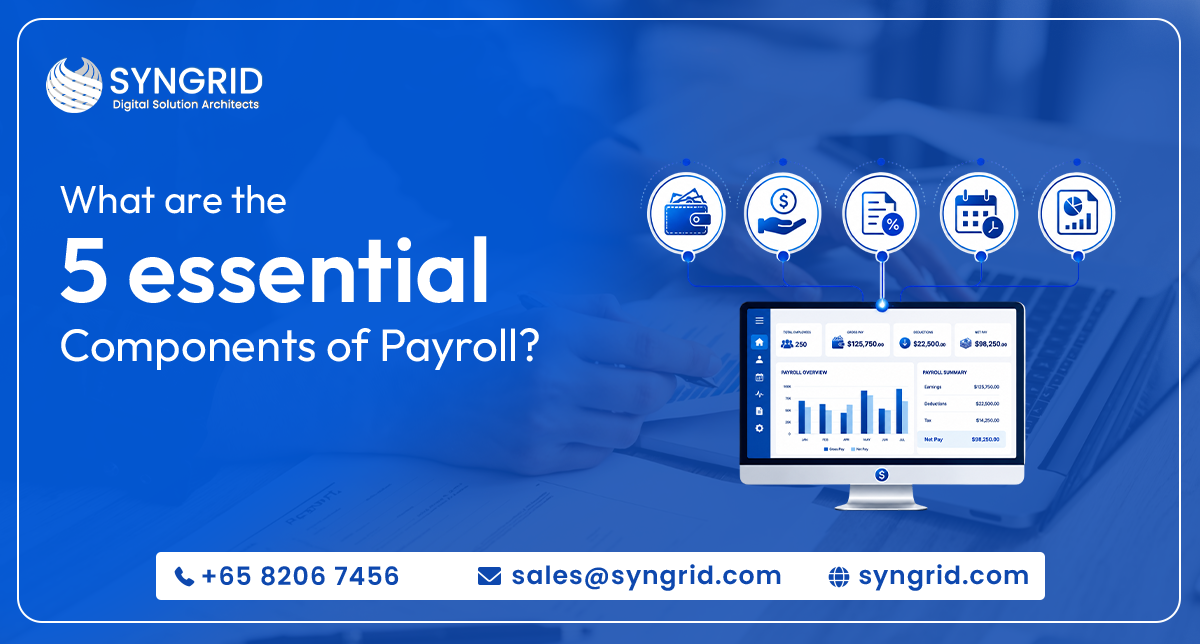
Global payroll is the process of managing employee compensation across multiple countries while ensuring compliance with local labor laws, tax regulations, currency conversions, and statutory reporting requirements. As businesses expand internationally and embrace remote hiring, global payroll has evolved into a strategic function that directly impacts compliance, employee satisfaction, and business continuity. Unlike domestic payroll, global payroll involves handling complex regulations, multiple currencies, and diverse employment structures. Understanding how global payroll works helps organizations build efficient systems that ensure accurate, timely, and compliant salary processing across borders. Why Global Payroll Is Important for Businesses? With the rise of international operations, cross-border hiring, and remote work models, businesses must manage payroll across multiple jurisdictions. Any payroll error can result in penalties, legal issues, employee dissatisfaction, and reputational damage. Global payroll ensures: Legal compliance across regions Accurate employee compensation Transparent financial reporting Strong workforce trust Operational efficiency When payroll processes function smoothly, companies can focus on growth without compliance concerns. How Global Payroll Works: Step-by-Step Process 1. Employee Data Collection and Management   Global payroll begins with gathering accurate employee data, including personal information, employment terms, salary details, tax identification numbers, and benefits eligibility. This data must comply with regional data protection regulations and be securely stored. 2. Salary Calculation Based on Local Rules   Each country has unique wage structures, tax slabs, overtime rules, and benefit policies. Payroll systems calculate salaries based on these region-specific rules, ensuring accurate deductions and statutory contributions. 3. Tax and Statutory Compliance Processing   Global payroll systems calculate and deduct applicable income taxes, social security contributions, pension payments, insurance premiums, and other statutory deductions based on local laws. Compliance teams must ensure all filings and contributions meet government deadlines to avoid fines or legal risks. 4. Multi-Currency Payment Processing   Once payroll calculations are complete, salaries are disbursed in local currencies. Exchange rate fluctuations, banking regulations, and international transfer fees must be carefully managed to ensure accurate payments. 5. Payslip Generation and Employee Access   Employees receive digital payslips detailing salary components, deductions, benefits, and tax contributions. Self-service portals allow employees to view, download, and manage payroll documents. 6. Statutory Reporting and Payroll Audits   Businesses must submit payroll reports to tax authorities, labor departments, and social security agencies. Regular payroll audits ensure accuracy, compliance, and transparency. Key Challenges in Global Payroll Management Managing payroll across borders introduces operational and compliance challenges. Common challenges include: Frequent changes in tax and labor laws Complex statutory reporting requirements Currency exchange fluctuations Data security and privacy regulations Managing multiple vendors and systems Without automation and expert guidance, these challenges can significantly increase administrative burden and risk exposure. The Role of Technology in Global Payroll Modern global payroll systems rely heavily on automation, cloud computing, and AI-driven analytics. These technologies simplify payroll operations by reducing manual intervention, improving accuracy, and enhancing compliance. Technology-driven payroll platforms enable: Automated salary and tax calculations Real-time compliance monitoring Secure cloud-based payroll processing Centralized payroll dashboards Employee self-service functionality Automation transforms payroll into a strategic business enabler rather than a back-office task. Syngroo: Modern Payroll Technology for Global Businesses To address the growing complexity of international payroll, Syngrid Technologies has developed Syngroo, a powerful and intelligent global payroll management platform designed for modern, fast-growing businesses. Syngroo enables organizations to manage: Multi-country payroll processing Automated tax calculations End-to-end compliance management Employee self-service portals Real-time payroll analytics and reporting Secure cloud-based payroll workflows With Syngroo, businesses can eliminate payroll complexity, minimize compliance risks, and ensure accurate, on-time salary payments across multiple countries, all through a single centralized platform. Global Payroll Compliance: What Businesses Must Know Each country enforces specific payroll regulations. Employers must stay compliant with: Income tax laws Social security contributions Labor regulations Mandatory benefits Statutory reporting requirements Failure to comply can result in financial penalties, audits, and operational restrictions. Continuous compliance monitoring is essential for risk-free global operations. Best Practices for Managing Global Payroll Efficiently To ensure seamless global payroll operations, businesses should: Centralize payroll management Automate payroll calculations and reporting Maintain up-to-date compliance tracking Use secure cloud-based platforms Partner with experienced payroll technology providers Regularly audit payroll processes These practices significantly improve efficiency, accuracy, and workforce trust. Future of Global Payroll The future of global payroll is shaped by: AI-driven automation Predictive payroll analytics Blockchain-based payments Real-time compliance monitoring Fully integrated HR and payroll ecosystems These advancements will continue to reduce complexity while enhancing accuracy, transparency, and scalability. Conclusion Understanding how global payroll works is essential for businesses operating across borders. From employee data management and tax compliance to currency processing and reporting, every step must be precise, secure, and legally compliant. With the right strategy, modern technology, and platforms like Syngroo by Syngrid Technologies, businesses can streamline payroll operations, ensure compliance, and build trus across their global workforce. Global payroll success is no longer optional; it is a foundation for sustainable international growth. FAQ 1. What is Syngroo? Syngroo is a cloud-based global payroll platform developed by Syngrid Technologies that helps businesses manage multi-country payroll, tax compliance, and salary processing from a single centralized. system. 2. How does Syngroo simplify international payroll management? Syngroo automates salary calculations, tax deductions, compliance tracking, and reporting, reducing manual work, payroll errors, and regulatory risks across countries. 3. Is Syngroo suitable for small and growing businesses? Yes, Syngroo is built to scale with business growth, making it ideal for startups, SMEs, and enterprises managing distributed and international workforces. 4. Does Syngroo support multi-country payroll compliance? Yes, Syngroo ensures country-specific payroll compliance by automating statutory deductions, tax filings, and regulatory reporting based on local labor laws.

Global Payroll

International Payroll Guide 2026: Every Business Must Know

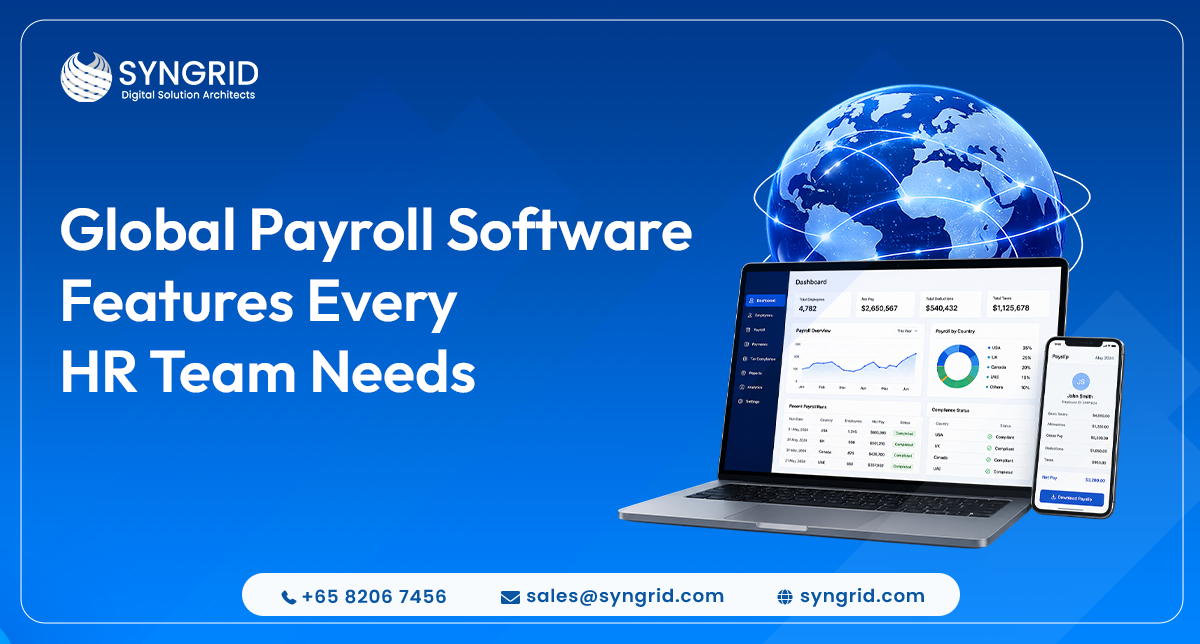
“Managing international payroll today means more than paying salaries; it’s about staying compliant, accurate, transparent, and trusted across borders.” As businesses expand beyond borders, international payroll management has evolved into a critical strategic function. In 2026, organizations face increasing complexity due to varying tax regulations, labor laws, currency conversions, compliance mandates, and data security requirements. This comprehensive International Payroll Guide 2026 explains everything modern businesses need to know, from regulatory compliance and automation to best practices and advanced payroll solutions that simplify global operations. What Is International Payroll? International payroll refers to the end-to-end process of managing employee compensation across multiple countries. It includes salary payments, tax deductions, statutory benefits, compliance reporting, and adherence to local employment laws. Unlike domestic payroll, global payroll requires careful coordination across: Multiple currencies Country-specific tax regulations Local employment laws Statutory benefits structures Data privacy and security frameworks A well-structured international payroll system ensures employees are paid accurately and on time, regardless of location, while maintaining strict compliance. Why International Payroll Matters in 2026? With the rapid rise of remote work, cross-border hiring, and international expansion, companies now operate in multiple legal jurisdictions simultaneously. Payroll errors can result in compliance penalties, employee dissatisfaction, legal exposure, and reputational damage. Key reasons global payroll is business-critical in 2026 include: Increasing global workforce mobility Stricter regulatory enforcement Stronger data protection requirements Demand for real-time payroll transparency Higher employee experience expectations Global payroll is no longer a back-office function; it directly impacts operational efficiency, compliance integrity, and employee trust. Key Challenges in International Payroll Management 1. Regulatory Compliance   Each country has its own labor laws, tax structures, and statutory benefit regulations. Staying compliant requires continuous tracking of legal updates, reporting deadlines, and regulatory changes. 2. Currency Exchange & Payment Processing   Managing salaries in multiple currencies introduces exchange rate volatility, transaction delays, and bank processing complexities, all of which impact payroll accuracy and budgeting. 3. Data Security & Privacy   Payroll systems process highly sensitive employee data. Compliance with regulations such as GDPR and local data protection laws is essential to prevent breaches and legal penalties. 4. Manual Errors   Manual payroll processes increase the likelihood of calculation mistakes, missed deadlines, incorrect deductions, and payment delays, leading to employee dissatisfaction and compliance risk. 5. Complex Reporting Requirements   Consolidating payroll reports across multiple regions, currencies, and legal frameworks creates operational complexity and increases administrative workload. Best Practices for International Payroll in 2026 To manage payroll efficiently across borders, businesses should adopt modern payroll strategies: Implement a centralized global payroll platform Automate tax calculations and statutory deductions Maintain real-time compliance tracking Standardize payroll workflows across regions Use secure, cloud-based payroll systems Offer employee self-service portals These best practices improve efficiency, reduce errors, and ensure regulatory compliance at scale. The Role of Automation in Global Payroll Automation is transforming payroll management by reducing manual workloads and improving accuracy. Advanced payroll systems now leverage AI, cloud computing, and workflow automation to deliver seamless operations. Key benefits include: Real-time payroll processing Automated tax and statutory calculations Compliance monitoring Multi-currency payment handling Secure data storage Centralized reporting dashboards Payroll automation enables organizations to focus on strategic workforce management instead of administrative tasks. Customization and Integrations Salesforce leads in customization and ecosystem depth, offering thousands of integrations through its AppExchange. HubSpot provides fewer integrations but delivers a cleaner, more unified system that reduces dependency on third-party tools. Both platforms support API integrations, enabling businesses to connect CRM data with ERP systems, analytics tools, and customer engagement platforms. Syngroo—Global Payroll Platform by Syngrid Technologies To simplify complex international payroll operations, Syngrid Technologies has developed Syngroo, a powerful and intelligent global payroll management platform built for modern, fast-growing businesses. Syngroo enables organizations to seamlessly manage global payroll through: Multi-country payroll processing Automated tax calculations End-to-end compliance management Drag-and-drop employee forms Employee self-service portals Real-time payroll analytics and reporting Secure, cloud-based payroll workflows With Syngroo, businesses can eliminate payroll complexities, minimize compliance risks, and ensure accurate, on-time salary payments across multiple countries, all from a single centralized system. In Singapore, payroll compliance requires accurate CPF contributions, timely salary disbursement, and strict adherence to MOM employment regulations. Employers must also ensure on-time statutory reporting and tax filings in line with government-mandated deadlines. Future Trends in International Payroll (2026 & Beyond) The next phase of payroll innovation will be shaped by: AI-powered payroll automation Predictive payroll analytics Blockchain-enabled salary payments Advanced compliance intelligence tools Fully integrated HR and payroll ecosystems These advancements will elevate payroll from a transactional process into a strategic business driver. How to Choose the Right Global Payroll Solution? When selecting a global payroll platform, organizations should evaluate: Worldwide compliance coverage Platform scalability Data security certifications Automation capabilities HR and finance system integrations User experience and interface design Real-time analytics and reporting Choosing the right payroll solution ensures operational continuity, regulatory compliance, and improved employee satisfaction. Final Thoughts With the right payroll strategy, automation tools, and advanced platforms like Syngroo by Syngrid Technologies, organizations can simplify payroll complexity, ensure compliance, and build a reliable global payroll ecosystem. For businesses planning international expansion, investing in a modern global payroll solution today ensures long-term efficiency, compliance, and workforce confidence.

Global Payroll

Major Challenges in Managing Global Payroll Operations

Managing payroll is already a critical responsibility for any business. However, when payroll expands across countries, currencies, and compliance systems, it becomes significantly more complex. Global payroll operations are no longer just about paying employees on time. They involve navigating international labor laws, handling multiple tax structures, and ensuring accurate payments across different regions. As companies grow internationally and hire remote talent worldwide, understanding the major challenges in managing global payroll operations becomes essential. Businesses that handle payroll correctly build trust, improve employee satisfaction, and reduce legal risk. In this article, we’ll explore the biggest obstacles organizations face in global payroll and how they can overcome them with the right strategies. Understanding Global Payroll Complexity Global payroll refers to the process of managing employee compensation across multiple countries. This includes salaries, bonuses, tax deductions, social contributions, and benefits. Unlike local payroll, global payroll requires businesses to align with varying regulations and financial systems. Each country has its own rules regarding minimum wages, overtime, employee benefits, and tax reporting. Because of these differences, global payroll operations demand careful planning, strong expertise, and reliable systems. Challenge 1: Compliance with Local Tax and Labor Laws One of the most difficult aspects of global payroll management is staying compliant with local regulations. Each country has unique tax requirements, employment laws, and reporting standards. Payroll teams must ensure they follow: Income tax rules Social security contributions Mandatory employee benefits Termination and severance policies Even a small mistake can lead to penalties, audits, or reputational damage. Additionally, laws frequently change. Payroll teams must stay updated constantly, which can be time-consuming and stressful. Challenge 2: Managing Multiple Currencies and Exchange Rates When paying employees in different countries, businesses must handle multiple currencies. Exchange rates fluctuate daily, which can affect payroll accuracy and budgeting. Employers must ensure that employees receive the correct amount in their local currency while also managing costs in the company’s base currency. This challenge becomes even greater when payroll involves bonuses, reimbursements, or cross-border payments. Without automated systems, currency conversion errors can easily occur, leading to employee dissatisfaction. Challenge 3: Data Security and Privacy Concerns   Payroll data includes highly sensitive employee information such as: Bank account details Identification numbers Salary records Tax documents Handling this data across multiple regions introduces serious security challenges. Different countries also enforce different privacy laws, such as GDPR in Europe. Businesses must ensure payroll systems meet strict compliance standards for data protection. A data breach in payroll operations can have severe financial and legal consequences. Challenge 4: Lack of Standardization Across Countries Standardizing payroll processes globally is extremely difficult. Some countries require monthly payroll, while others may require weekly or bi-weekly cycles. Certain regions mandate specific payslip formats, tax filings, or benefit contributions. Because of these variations, businesses often end up managing payroll through multiple vendors or fragmented systems. This lack of consistency increases administrative workload and reduces efficiency. Challenge 5: Payroll Errors and Manual Processing Many organizations still rely on manual payroll spreadsheets or outdated tools. Manual processing increases the risk of: Miscalculations Late payments Incorrect tax deductions Missing compliance filings Even small payroll errors can lead to employee frustration and costly corrections. Automation and payroll technology can significantly reduce these risks, but implementation can take time and expertise. Challenge 6: Remote Workforce and Cross-Border Hiring The rise of remote work has changed global payroll dramatically. Companies now hire employees and contractors from different parts of the world, sometimes without having a legal entity in those countries. This creates challenges related to: Worker classification Local tax obligations Employment contracts Benefit eligibility Global payroll teams must ensure remote employees are paid correctly while remaining compliant with local laws. Challenge 7: Choosing the Right Payroll Partner or Platform With so many payroll vendors available, selecting the right solution can be overwhelming. Businesses must consider: Country coverage Compliance support Integration with HR systems Data security standards Scalability A poor payroll provider can create long-term operational risks. Many companies work with experienced service partners to streamline payroll across regions and ensure accuracy. For example, Syngrid Technologies supports businesses with digital payroll upgrade and compliance-driven solutions that help reduce complexity in international workforce management. Best Practices to Overcome Global Payroll Challenges Although global payroll is complex, businesses can manage it successfully by adopting smart strategies. Here are some effective approaches: Use centralized payroll platforms that support multi-country operations. Invest in compliance expertise to stay updated constantly on changing regulations. Automate payroll processes to reduce manual errors. Ensure strong cybersecurity measures to protect employee data. Partner with experienced payroll and HR technology providers. When payroll is managed correctly, companies improve employee trust, reduce legal exposure, and scale internationally with confidence. Conclusion The major challenges in managing global payroll operations include compliance, currency management, data security, process standardization, and remote workforce complexities. By understanding these challenges and investing in the right tools and expertise, organizations can build reliable payroll systems that support growth and employee satisfaction worldwide.Global payroll success is ultimately about accuracy, trust, and long-term operational stability. To make this journey easier, businesses can also leverage modern solutions with Syngroo, the Syngrid Global Payroll Product, which is built to streamline international payroll processing, improve compliance tracking, and reduce payroll complexity for growing global teams.

Global Payroll

Midsize business expansion checklist: Is your payroll department ready for world-wide growth?

As midsize businesses expand into international markets, payroll operations quickly become one of the most complex business functions. Managing regional tax regulations, statutory benefits, multiple currencies, and workforce structures across countries requires systems that are designed for scale and compliance. A globally expanding organization must ensure its payroll framework can support operational growth without increasing financial or regulatory risk. This checklist outlines the essential payroll readiness factors midsize businesses must evaluate before entering new global markets. 1. Centralized Payroll Governance Across Regions Operating payroll through disconnected regional vendors or manual processes leads to data inconsistencies, delayed salary cycles, and limited oversight. For global expansion, businesses require a centralized payroll governance model that standardizes processes while accommodating country-specific requirements. Payroll teams should have real-time visibility into payroll status, approvals, and exceptions across all operating regions. Readiness check: Can payroll operations be monitored centrally across countries? Are payroll processes standardized without compromising local compliance? 2. Country-Specific Compliance and Statutory Accuracy Each country enforces unique payroll regulations related to taxation, social security, labor laws, and reporting schedules. Failure to meet statutory obligations can result in penalties, audits, and reputational damage. A globally ready payroll function must automatically apply local statutory rules, adapt to regulatory changes, and maintain audit-ready payroll records. Readiness check: Are statutory calculations automated per country? Can compliance updates be applied without manual intervention? 3. Multi-Currency Payroll Processing and Financial Consistency Global payroll requires precise handling of salaries across multiple currencies while maintaining financial consistency for reporting and budgeting. Payroll systems must support local currency calculations, standardized exchange rate application, and consolidated reporting for finance teams. Manual currency handling increases reconciliation effort and financial risk. Readiness check: Can payroll be processed in multiple currencies accurately? Are payroll costs consolidated for financial reporting? 4. Workforce Classification and Scalable Onboarding As organizations expand globally, workforce structures become more diverse. Payroll must support full-time employees, contract workers, and region-specific employment models. Scalable onboarding workflows and consistent payroll treatment across workforce types are critical for maintaining accuracy and compliance during rapid expansion. Readiness check: Can payroll handle different employment types across regions? Is onboarding standardized and scalable? 5. Payroll Data Security and Role-Based Access Payroll data contains sensitive personal and financial information, making security a non-negotiable requirement. A globally ready payroll system must include role-based access controls, data encryption, and audit logs to ensure data protection, regulatory compliance, and accountability across teams and geographies. Readiness check: Is payroll access restricted by role and region? Are audit trails available for internal and external reviews? 6. Integration With Finance, HR, and ERP Systems Payroll data contains sensitive personal and financial information, making security a non-negotiable requirement. A globally ready payroll system must include role-based access controls, data encryption, and audit logs to ensure data protection, regulatory compliance, and accountability across teams and geographies. Readiness check: Is payroll access restricted by role and region? Are audit trails available for internal and external reviews? 7. Real-Time Reporting and Executive Visibility Leadership teams require timely insights into payroll costs, headcount distribution, and compliance status across regions to support informed decision-making. Payroll reporting should provide real-time visibility, trend analysis, and exception monitoring without relying on manual data consolidation. Readiness check: Can leadership access consolidated global payroll insights? Are reports available without manual intervention? Why Syngroo Is Built for Midsize Global Expansion? Midsize businesses require enterprise-grade payroll capabilities without the operational complexity of traditional enterprise systems. Syngroo by Syngrid Technologies is purpose-built to support: Centralized global payroll operations with unified control Country-specific statutory compliance and tax accuracy Multi-currency salary processing with consolidated reporting Secure, scalable payroll architecture with role-based access Seamless integration with HRMS, ERP, and accounting platforms By eliminating fragmented payroll vendors and manual processes, Syngroo enables organizations to scale internationally with confidence, compliance, and financial visibility. Is Your Payroll Ready for Global Growth? Global expansion should accelerate growth, not introduce operational risk. Syngrid Technologies helps midsize businesses modernize payroll operations with Syngroo, delivering accuracy, compliance, and scalability across international markets. 👉 Contact Syngrid Technologies to assess your global payroll readiness and experience Syngroo with a 15-day free trial with no feature restrictions, designed to support your global expansion strategy with confidence.

Scroll to Top