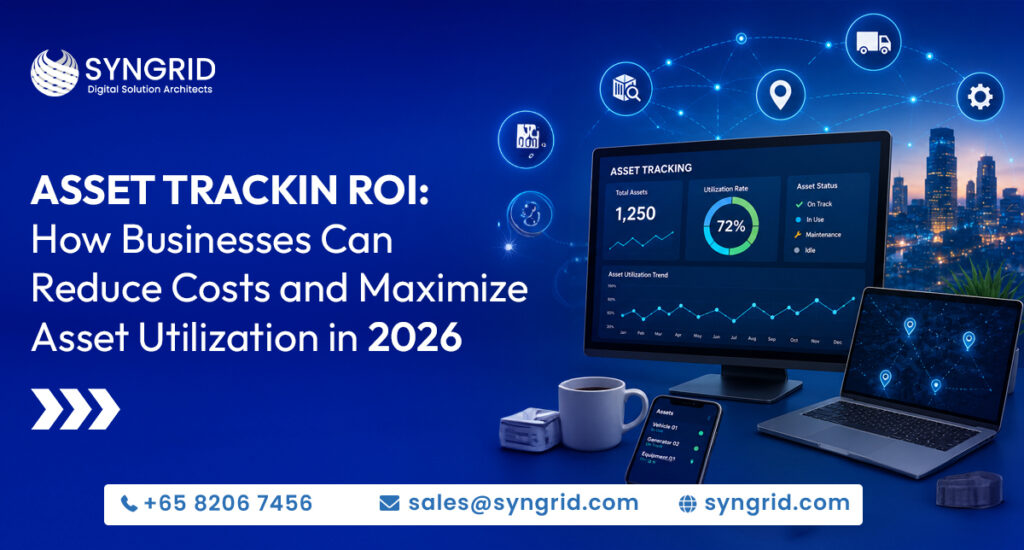
Every business invests heavily in physical assets from laptops and machinery to office furniture and production equipment. But without a proper asset tracking system, many organizations struggle to answer basic questions:
Where are our assets?
Who is using them?
Are they fully utilized?
Which assets require maintenance?
Are we purchasing assets we already own?
These gaps lead to unnecessary spending, poor asset utilization, and lower productivity.
This is where asset tracking software makes a measurable difference. It helps businesses improve asset tracking ROI by providing complete visibility, automating asset lifecycle management, and reducing operational costs.
Why Asset Tracking ROI Matters
Assets are business investments. Without structured business asset management, companies often experience the following:
Lost or misplaced assets
Duplicate purchases
Poor visibility
Higher maintenance costs
Low asset utilization
Manual record keeping
Modern Asset Management Software solves these challenges by giving businesses centralized control over every asset throughout its lifecycle.
The result is better decision-making, improved productivity, and higher returns on every asset purchased.
What Is Asset Tracking Software?
Asset tracking software is a centralized platform that helps businesses register, monitor, and manage physical assets from purchase to disposal.
Instead of using spreadsheets, organizations can maintain complete asset information in one place, including:
Asset ID
Category
Purchase details
Vendor information
Warranty status
Assigned employee
Department
Location
Maintenance history
This enables smarter business asset management while reducing manual work.
How Asset Tracking Software Improves Asset Tracking ROI
1. Improve Asset Utilization
One of the biggest reasons businesses lose money is underused assets.
An intelligent asset tracking system helps managers identify
Available assets
Assigned assets
Idle equipment
Frequently used resources
Better asset utilization means fewer unnecessary purchases and better returns on existing investments.
2. Reduce Duplicate Purchases
Without visibility, departments often purchase equipment that already exists elsewhere.
A centralized asset management software platform allows businesses to locate available assets before buying new ones, directly improving asset tracking ROI.
3. Simplify Asset Lifecycle Management
Every asset moves through multiple stages:
Purchase → Assignment → Maintenance → Transfer → Retirement
Automated Asset Lifecycle Management helps businesses track each stage while extending asset lifespan and reducing unexpected failures.
4. Increase Employee Accountability
Knowing who is responsible for each asset reduces loss and improves compliance.
A modern asset tracking system records the following:
Employee assignments
Asset handovers
Returns
Transfer history
This creates better accountability across departments.
5. Manage Multiple Locations
Businesses with multiple offices or warehouses need centralized visibility.
Cloud-based enterprise asset management allows managers to monitor assets across every location from one dashboard, improving operational efficiency.
6. Make Better Business Decisions
Real-time dashboards provide valuable insights such as the following:
Asset utilization
Warranty status
Maintenance history
Asset availability
Employee allocation
This data helps businesses make informed investment decisions while maximizing asset tracking ROI.
Why Digital Asset Management Matters
As businesses grow, spreadsheets become difficult to maintain.
Modern digital asset management provides the following:
Real-time asset visibility
Centralized records
Automated workflows
Better reporting
Faster audits
Organizations that digitize asset management reduce administrative work while improving productivity.
How Syngrid Technologies Helps Businesses
At Syngrid Technologies, we provide intelligent asset management software designed to simplify business asset management for organizations of all sizes.
Our solution helps businesses:
Register and classify assets
Track employee asset assignments
Manage assets across multiple locations
Monitor complete asset lifecycle management
Maintain warranty and vendor records
Create custom asset fields
Track scrap and retired assets
Improve Asset Utilization
Increase Asset Tracking ROI
Whether you manage IT assets, office equipment, manufacturing tools, or business resources, our asset tracking software gives you complete operational visibility from a single platform.
Final Thoughts
Improving Asset Tracking ROI isn’t just about knowing where assets are; it’s about maximizing their value throughout their lifecycle.
With modern asset tracking software, businesses can:
Reduce operational costs
Improve Asset Utilization
Automate Asset Lifecycle Management
Eliminate duplicate purchases
Increase employee accountability
Make data-driven decisions
At Syngrid Technologies, we help businesses implement scalable asset management software that improves visibility, reduces costs, and supports long-term growth.
Ready to maximize your asset tracking ROI? Contact Syngrid Technologies today to schedule a free demo and discover how our asset tracking system can transform your asset management process.
Frequently Asked Questions About This Blog
1. What is Asset Tracking Software?
Asset tracking software helps businesses monitor, organize, and manage physical assets throughout their lifecycle from a centralized platform.
2. How does asset tracking software improve asset tracking ROI?
It improves ROI by reducing duplicate purchases, increasing asset utilization, simplifying asset lifecycle management, and minimizing asset loss.
3. What is Enterprise Asset Management?
Enterprise Asset Management (EAM) is a strategy for managing assets across multiple departments and locations to improve efficiency and reduce operational costs.
4. Which industries benefit from asset management software?
Manufacturing, construction, healthcare, logistics, education, retail, IT, and corporate businesses all benefit from modern asset management software.