
“Artificial intelligence is shaping the future of business, but the real advantage comes from the people and skills behind it.”
Artificial Intelligence (AI) is transforming how businesses operate, compete, and innovate. From automating repetitive tasks to delivering personalized customer experiences, AI is becoming a core driver of success across industries.
In 2026, companies that invest in the right AI skills will not only improve efficiency but also gain a strategic edge in the market. On the other hand, businesses that ignore AI adoption risk falling behind competitors who are faster, smarter, and more data-driven.
This blog explores the most important AI skills every business needs to stay competitive in 2026, explained in a clear, practical, and SEO-friendly way.
Why AI Skills Matter More Than Ever?
AI is no longer limited to tech companies. Today, AI is being used in
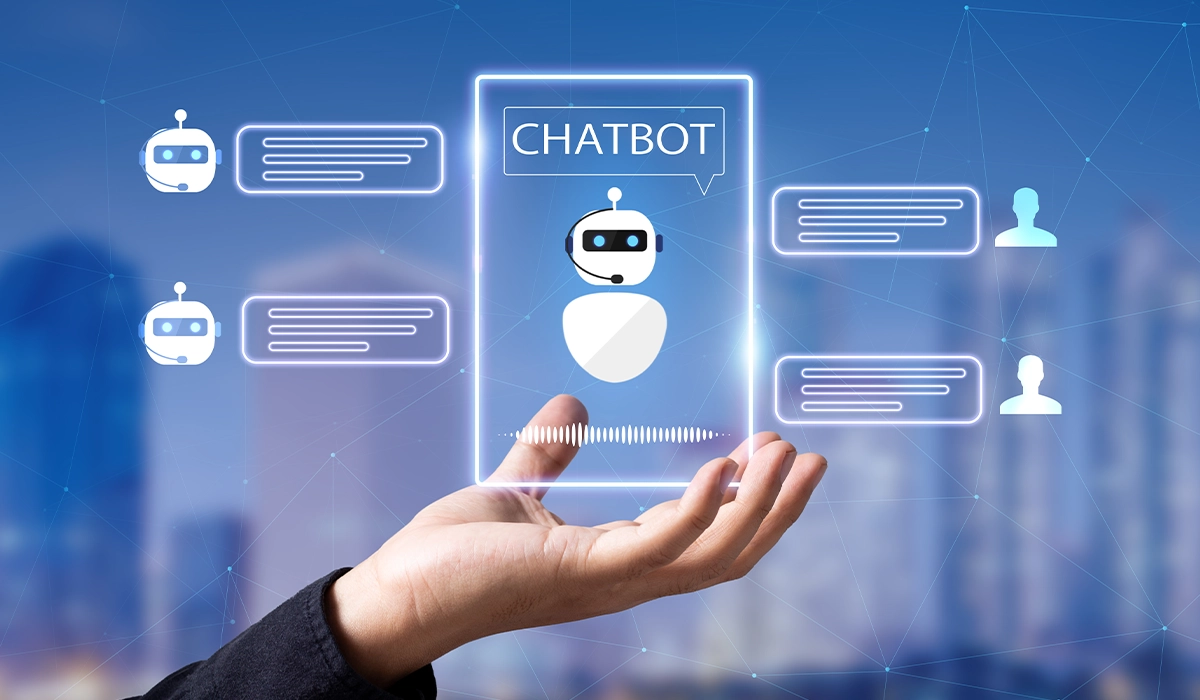
Customer service and chatbots
Marketing automation
Fraud detection in finance
Predictive maintenance in manufacturing
Personalized recommendations in e-commerce
The businesses that understand how to apply AI effectively will lead their industries.
AI skills are not just about coding. They include strategy, data understanding, ethical awareness, and the ability to work with AI-powered tools.
1. Data Literacy and Data-Driven Thinking
AI systems depend on data. Without quality data, even the most advanced AI models cannot deliver useful results.
Data literacy means the ability to:
Understand business data
Interpret trends and patterns
Make decisions based on analytics
Recognize data quality issues
Best Practice: Businesses should train teams to think in a data-driven way, not just rely on intuition.
Technical Term Explained:
Data literacy refers to the ability to read, analyze, and communicate insights from data.
2. Understanding Machine Learning Basics
Machine Learning (ML) is the foundation of many AI applications. While not every employee needs to build models, business leaders must understand how ML works conceptually.
Key knowledge areas include:
How algorithms learn from data
The difference between supervised and unsupervised learning
Model accuracy and limitations
Real-world business use cases
Why it matters in 2026: Businesses will increasingly rely on ML-powered forecasting, personalization, and automation.
3. AI Tool Proficiency and Automation Skills
In 2026, competitive businesses will adopt AI tools across departments, including:
AI-powered CRM platforms
Automated marketing tools
Customer support chatbots
Document processing systems
Employees must be skilled in using these tools effectively.
Best Practice: Focus on practical AI adoption, not just theory.
Example:
A sales team using AI to predict customer needs will outperform teams using manual spreadsheets.
4. Prompt Engineering and Generative AI Usage
Generative AI tools like ChatGPT and AI copilots are becoming essential for productivity.
Prompt engineering is the skill of writing clear instructions to get accurate and useful AI outputs.
Businesses can use generative AI for:
Content creation
Email drafting
Code assistance
Idea generation
Customer response support
Best Practice: Train employees to use AI responsibly and accurately.
5. Cybersecurity Awareness in AI Systems
As AI adoption grows, new security risks emerge, including:
AI-driven cyberattacks
Data privacy breaches
Model manipulation
Unauthorized AI access
Businesses must develop strong cybersecurity awareness when implementing AI tools.
Technical Term Explained:
AI security focuses on protecting AI systems, data, and outputs from misuse or threats.
6. Ethical AI and Responsible Decision-Making
Trust is critical in AI-driven business environments. Ethical AI ensures that systems are fair, transparent, and compliant with regulations.
Businesses must understand:
Bias in AI algorithms
Data privacy laws
Transparency in automated decisions
Responsible AI governance
Why it matters: Customers and regulators expect AI systems to be trustworthy.
7. AI Strategy and Business Integration Skills
AI is not just an IT project. It is a business transformation tool.
Organizations need leaders who can:
Identify AI opportunities
Align AI with business goals
Manage AI implementation roadmaps
Measure ROI of AI investments
Best Practice: Build an AI strategy that supports long-term growth, not short-term hype.
8. Critical Thinking and Human-AI Collaboration
AI is powerful, but it is not perfect. Businesses need professionals who can:
Evaluate AI recommendations
Apply human judgment
Spot errors or hallucinations
Combine creativity with automation
The future belongs to teams that collaborate effectively with AI rather than fear it.
9. AI Talent Development and Upskilling Culture
In 2026, competitive businesses will focus on continuous learning.
Key approaches include:
AI training programs
Cross-department workshops
Partnering with AI solution providers
Encouraging innovation with AI tools
AI is evolving quickly, and businesses must evolve with it.
How Syngrid Technologies Supports Businesses with AI Innovation?
To stay competitive in 2026, many businesses are partnering with experts who can implement AI solutions effectively.
Syngrid Technologies specializes in developing advanced generative AI solutions and AI-powered chatbots for businesses, helping organizations automate customer support, improve internal workflows, and deliver smarter digital experiences.
From intelligent virtual assistants to custom generative AI applications, Syngrid Technologies enables companies to adopt AI in a secure, scalable, and business-focused way.
Industries That Will Benefit Most from AI Skills
AI skills will be essential across all industries, especially:
Healthcare
Finance
Retail and e-commerce
Manufacturing
Logistics
IT and cybersecurity
Marketing and advertising
Every sector will require AI-ready teams to remain competitive
Conclusion: AI Skills Are the Future of Business Growth
In 2026, AI will not replace businesses, but businesses that use AI effectively will replace those that do not.
By developing essential skills such as data literacy, machine learning understanding, generative AI usage, ethical awareness, and strategic AI integration, companies can stay ahead in a rapidly changing world.
With innovation partners like Syngrid Technologies, businesses can also implement powerful generative AI tools and AI chatbots that drive real competitive advantage.
AI is not just a technology trend. It is the foundation of the next generation of business success.