

Syngrid

IT Services and IT Solutions

Top 5 Digital Solutions Companies
IT Services and IT Solutions

Top 5 Digital Solutions to Scale Your Business in 2026

Introduction The future of business growth is undeniably digital. As global competition increases and customer expectations evolve, companies must adopt smart and scalable technologies to stay ahead. In 2026, the organizations achieving the highest revenue growth are the ones embracing automation, cloud solutions, advanced data analytics, cybersecurity, and digital commerce. Modern businesses need systems that are fast, secure, customer-centric, and capable of supporting expansion across industries and borders.   Digital transformation is no longer optional; it is the foundation for sustainable growth. The following five digital solutions represent the most powerful technologies that will help businesses scale rapidly in 2026. Why Digital Transformation Matters for Business Growth in 2026? Digital transformation enhances efficiency, reduces operational costs, and drives innovation. Companies adopting advanced business systems experience: Better decision-making powered by real-time insights Seamless collaboration across teams and locations Improved customer experience and higher retention Automated workflows that replace manual tasks Stronger security and regulatory compliance Businesses that delay digital adoption risk slower productivity, loss of customers, higher costs, and decreasing competitiveness. Digital Solution #1: AI-Powered Automation & Business Intelligence Artificial Intelligence (AI) and BI tools are transforming how businesses operate. AI-powered automation streamlines routine workflows, while business intelligence offers deep insights for strategic decision-making. Benefits of AI Automation Reduced manual work and human errors Faster turnaround time across departments Predictive analytics for smarter forecasting Enhanced customer service with chatbots and smart support Use Cases Across Industries Inventory forecasting in retail Fraud detection in banking Predictive maintenance in manufacturing Personalized marketing in e-commerce AI will continue to play a major role in accelerating business operations and revenue growth in 2026. Digital Solution #2: Cloud-Based ERP & Workforce Management Cloud-powered ERP solutions unify business operations under one secure platform, ensuring end-to-end visibility across finance, HR, procurement, sales, projects, and supply chain. Centralized Data & Real-Time Visibility Businesses can manage all key operations with real-time dashboards, enabling accurate planning and faster decision-making. Scalability for Fast-Growing Companies Cloud-based ERP grows with the organization, allowing teams to add new departments, locations, and employees without infrastructure limitations. Digital Solution #3: CRM Platforms for Customer Experience & Revenue Growth Customer Relationship Management (CRM) platforms have become essential for business scalability. A CRM helps consolidate customer data, track engagement, and optimize sales and marketing performance. Sales & Marketing Automation Lead scoring and pipeline automation Automated follow-ups across email, SMS, and social media Streamlined deal management and sales forecasting Data-Driven Decision Making CRM analytics uncover customer behavior patterns and help businesses tailor personalized outreach that maximizes conversions and retention. Digital Solution #4 Cybersecurity & Zero-Trust Infrastructure With rising cyber threats and an increasingly remote workforce, modern businesses require robust cybersecurity strategies. Securing Remote & Hybrid Workforces Zero-trust security frameworks ensure that every user, device, and system is verified before access is granted. Threat Detection & Compliance Requirements Advanced cybersecurity solutions provide: Continuous monitoring and automated threat detection Data encryption and multi-factor authentication Compliance with regional and international security standards Cybersecurity plays a crucial role in defending intellectual property, customer information, and financial data. Digital Solution #5: E-Commerce & Digital Commerce Ecosystems To maximize ROI from digital transformation, organizations should evaluate: Current pain points in operations and customer experience Budget and scalability requirements Integration compatibility with existing systems Level of automation needed across departments Industry-specific workflows and compliance challenges A strategic approach ensures technology aligns with measurable business goals. Digital Adoption Challenges and How to Overcome Them? Challenge Solution Employee resistance to change Continuous training & change-management support Integration & compatibility issues Use scalable platforms with API-ready infrastructure High upfront investment Start with modular deployment & expand gradually Cybersecurity concerns Implement strong access controls & compliance frameworks How Syngrid Technologies Helps Businesses Scale with Digital Solutions Syngrid Technologies supports organizations in adopting and implementing high-impact digital solutions tailored to their industry and growth stage. Services include: AI automation and machine learning integrations Cloud-based ERP & workforce management setup CRM development and sales-marketing automation End-to-end cybersecurity solutions E-commerce and digital commerce ecosystem development Data migration, support, and long-term consultancy Our digital transformation strategy enables businesses to reduce manual workloads, enhance operational visibility, strengthen customer experience, and accelerate revenue powered by future-ready technologies. Conclusion Digital solutions are now the backbone of business scalability. AI automation, cloud ERP, CRM platforms, cybersecurity, and digital commerce ecosystems are not just trends; they are essential pillars for success in 2026 and beyond. Businesses that embrace digital transformation gain faster growth, operational efficiency, customer loyalty, and competitive advantages in the global market.   If your organization is ready to scale with modern technology, digital strategy, and automation-focused execution, Syngrid Technologies is here to help.
IT Services and IT Solutions

Best HubSpot Implementation Solutions in Singapore – A Detailed Guide

1. Understanding HubSpot and Its Core Hubs HubSpot is a powerful all-in-one platform that unites marketing, sales, service, and operations in one place. It enables businesses in Singapore to manage customer relationships, automate processes, and make informed decisions using a single integrated system. The core hubs include: CRM Hub: A central database for managing contacts, deals, and communication. Marketing Hub: Tools for email campaigns, lead management, and analytics. Sales Hub: Pipeline tracking, automation, and performance management. Service Hub: Customer support, feedback management, and help desk features. Operations Hub: Data synchronization, workflow automation, and integrations. Together, these hubs help Singapore businesses streamline operations and strengthen customer relationships. 2. Why HubSpot Implementation Matters in Singapore Singapore is one of the most digitally advanced business environments in Asia. Yet, many organizations face challenges such as fragmented data, manual reporting, and disconnected systems. Implementing HubSpot resolves these issues by: Unifying all departments on one integrated platform Reducing manual work through intelligent automation Improving collaboration between marketing, sales, and service teams Enhancing customer engagement through personalized experiences Ensuring compliance with Singapore’s data protection laws For growing companies, HubSpot implementation is not just a technology investment but a strategic move toward efficiency and scalability. 3. Step-by-Step HubSpot Implementation Process A successful implementation requires structure and expertise. Syngrid Technologies follows a proven process to ensure smooth onboarding and long-term success. Step 1: Discovery and PlanningWe begin by analyzing your goals, workflows, and existing systems to design a tailored implementation strategy. Step 2: Setup and CustomizationOur experts configure your HubSpot account, pipelines, and automation settings based on your business structure. Step 3: Data MigrationWe migrate your data from previous systems to HubSpot, ensuring accuracy and security throughout the process. Step 4: IntegrationSyngrid Technologies connects HubSpot with your ERP, CRM, accounting, or website platforms to build a unified ecosystem. Step 5: Training and AdoptionWe provide practical training sessions for your teams to help them effectively use HubSpot’s tools and features. Step 6: Optimization and Ongoing SupportPost-launch, we monitor performance, fine-tune automation, and optimize workflows for continuous improvement. 4. Top Benefits of HubSpot Implementation for Singapore Businesses Implementing HubSpot with the right strategy delivers measurable benefits: A single, centralized view of customer data Better collaboration between departments Automated workflows that reduce errors and save time Improved lead generation and conversion rates Real-time reporting for better decision-making Scalable systems that support business growth In Singapore’s competitive business environment, these advantages help organizations stay efficient and agile. 6. Choosing the Best HubSpot Implementation Partner in Singapore Selecting the right implementation partner determines how successful your HubSpot project will be. Here’s what to look for: Certified HubSpot expertise and proven experience Strong knowledge of Singapore’s business landscape and compliance standards End-to-end support from planning to post-launch optimization Transparent pricing and realistic timelines A focus on measurable results, not just setup Syngrid Technologies stands out as a trusted HubSpot partner in Singapore, offering the technical skill, local expertise, and ongoing support that ensure long-term success. 7. Best Practices for Successful HubSpot mImplementation To make the most of your HubSpot investment, consider these best practices: Define clear goals and KPIs before implementation Involve sales, marketing, and customer service teams from the start Begin with essential features and expand over time Conduct regular performance reviews Provide continuous training and refreshers Keep communication open with your HubSpot partner These practices help ensure that HubSpot becomes a key driver of efficiency and growth within your organization. 8. Why Choose Syngrid Technologies for HubSpot Solutions in Singapore Syngrid Technologies is a trusted HubSpot implementation and integration partner serving businesses across Singapore. We help organizations of all sizes use HubSpot to its fullest potential through a customer-first approach and industry knowledge. Here’s why businesses choose Syngrid Technologies: Comprehensive Expertise – Our team specializes in setup, onboarding, and HubSpot customization tailored for Singapore-based companies. Tailored Approach – We align HubSpot with your unique workflows and business goals. Seamless Integration – Our experts connect HubSpot with ERP, payroll, and CRM systems for a unified experience. Ongoing Support – We provide continuous guidance, training, and technical support after implementation. Focus on ROI – Every configuration is designed to maximize productivity and deliver measurable results. By partnering with Syngrid Technologies, your business gains a reliable partner dedicated to helping you succeed in digital transformation and customer engagement. Conclusion   HubSpot is a powerful platform that helps businesses manage sales, marketing, and customer relationships more effectively. For companies in Singapore, successful implementation is key to unlocking its full potential. At Syngrid Technologies, we provide tailored HubSpot solutions designed to meet the unique needs of every business. Our team handles the complete process—from planning and setup to training and continuous optimization—ensuring smooth adoption and measurable results. With our expertise and proven strategies, Syngrid Technologies helps your business get the best out of HubSpot, improving efficiency, enhancing customer engagement, and driving sustainable growth. In short, when you choose Syngrid Technologies for your HubSpot implementation in Singapore, you choose a partner committed to delivering real, lasting results for your business success.

IT Services and IT Solutions

Why Singapore Businesses Need an ERP System in 2026?

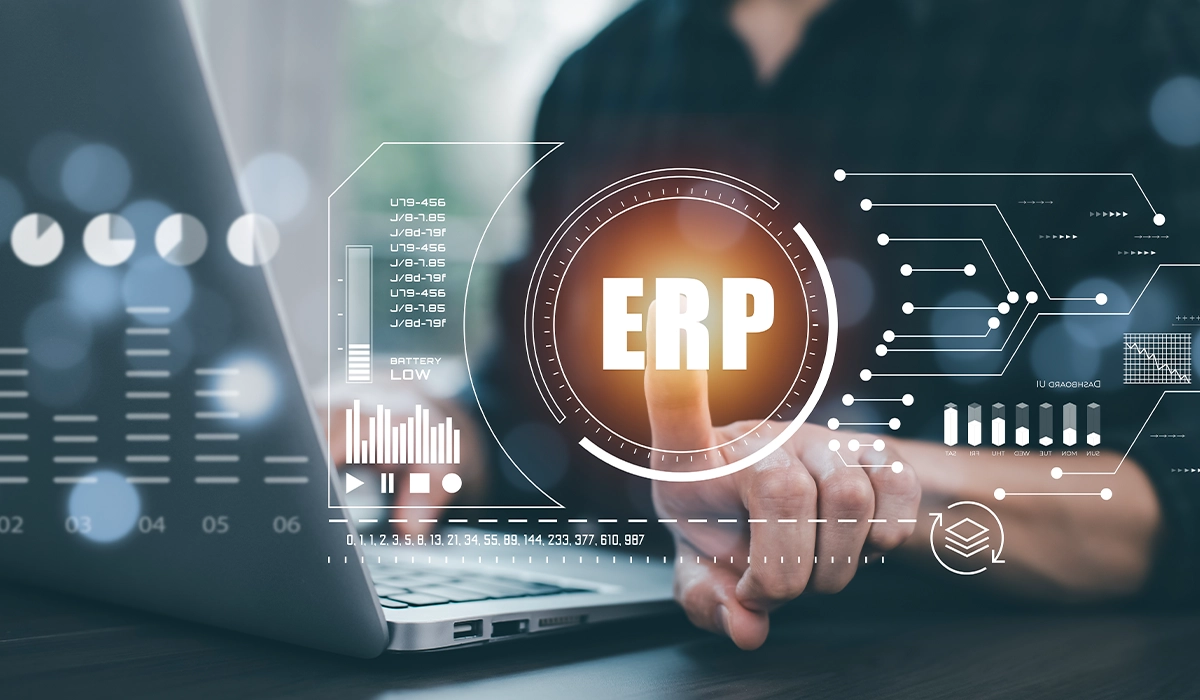
Singapore continues to lead Asia as a center for innovation and digital transformation. As businesses expand across markets, they face growing challenges in managing data, compliance, and operations efficiently. Manual systems and disconnected software often lead to delays, errors, and missed opportunities. An ERP system (Enterprise Resource Planning) integrates every part of a business—from finance and HR to inventory, procurement, and sales—into one unified platform. This improves visibility, reduces costs, and allows data-driven decision-making. By 2026, implementing an ERP system in Singapore will no longer be optional but essential for companies that want to stay competitive in a data-driven economy. Syngrid Technologies provides the insights and expertise Singaporean businesses need to plan and implement ERP systems effectively. What is an ERP System? An ERP system is a centralized software that manages key business functions through a single platform. It connects departments such as finance, accounting, HR, sales, and supply chain, helping businesses operate more efficiently. For Singapore-based companies, ERP systems help achieve greater transparency, improve collaboration between teams, and ensure compliance with local authorities like IRAS, MOM, and ACRA. Instead of managing separate systems, companies gain a single source of truth for all operations. repurpose blog posts into newsletters or social media snippets to maximize reach.Consistent, educational content keeps your brand visible and trustworthytwo vital components of long-term e-commerce success. How ERP Enhances Business in Singapore? ERP systems bring measurable improvements to business performance and growth. In Singapore’s fast-moving business environment, companies must adopt systems that improve accuracy, cut costs, and enable smarter decisions. Here’s how ERP enhances business operations: Centralized Data: All departments can access real-time, accurate data for faster decision-making. Regulatory Compliance: ERP systems help meet Singapore’s tax and reporting standards. Improved Productivity: Automation reduces manual work and boosts team efficiency. Informed Decision-Making: Business leaders gain insights through dashboards and analytics. Customer Satisfaction: Faster response times and better order tracking improve client relationships. ERP implementation allows businesses in Singapore to maintain control and scalability while adapting to rapid technological and market changes. Challenges in ERP Implementation Despite its benefits, ERP implementation comes with challenges that require proper planning and execution: Data Migration: Transferring legacy data accurately takes time and precision. User Training: Employees must adapt to new digital workflows and processes. Customization: Aligning ERP modules with unique business needs is crucial. Budget and Timeline: Implementation requires investment and structured rollout phases. When handled strategically, these challenges become opportunities for process improvement and long-term growth. Benefits of ERP Systems in Singapore ERP systems create measurable value across departments and industries. Some key benefits include: Greater Efficiency – Automates tasks and reduces duplication. Accurate Reporting – Offers real-time financial and operational insights. Cost Savings – Eliminates inefficiencies and improves resource allocation. Enhanced Collaboration – Improves communication between teams and departments. Scalability – Supports business expansion and multi-location management. For Singaporean SMEs and enterprises, these advantages support both local and regional competitiveness. Choose a Scalable and Future Ready ERP Approach ERP systems continue to evolve with cloud computing, analytics, and AI integration. Singapore businesses should focus on choosing ERP systems that can adapt as technology advances. A future-ready ERP system offers: Cloud-based access and scalability Integration with CRM, HRM, and financial tools Real-time analytics for performance tracking Strong data security and compliance management Adopting a scalable ERP approach ensures businesses stay flexible, efficient, and well-positioned for growth beyond 2026. Why Singapore Businesses Need an ERP System in 2026? The digital economy in Singapore is advancing rapidly, driven by government initiatives and a strong focus on innovation. To stay ahead, businesses must manage information, operations, and compliance efficiently. An ERP system plays a crucial role in achieving this. Here are the key reasons why ERP systems will become essential for Singapore businesses by 2026: 1. Rising Need for Data Accuracy and Real-Time Insights   Businesses today handle large volumes of data from multiple sources. An ERP system ensures accuracy by centralizing all data in one place. It provides real-time insights that help management make informed, timely decisions. 2. Greater Operational Efficiency   ERP systems automate repetitive tasks and integrate various departments—finance, HR, procurement, and sales—into a unified platform. This improves coordination, reduces manual errors, and boosts overall productivity. 3. Compliance with Local Regulations   Singapore’s business environment demands strict adherence to financial and employment laws. ERP systems simplify compliance with agencies such as IRAS, MOM, and ACRA by automating reporting, tax submissions, and payroll management. 4. Cost Control and Resource Optimization   By providing visibility into every aspect of operations, ERP systems help businesses manage budgets, track expenses, and allocate resources effectively. Over time, this leads to significant cost savings and better financial control. 5. Enhanced Decision-Making through Analytics   Modern ERP systems include analytics and dashboards that deliver insights into business performance. Leaders can track KPIs, monitor trends, and predict future demands—helping them plan strategically and stay competitive. 6. Scalability for Business Growth   As companies in Singapore expand regionally or globally, ERP systems make it easier to manage multiple branches, currencies, and tax jurisdictions. They grow with the organization and adapt to changing needs without major disruptions. 7. Competitive Advantage in a Digital Economy   By 2026, automation, data-driven decisions, and operational visibility will define successful businesses. ERP systems enable organizations to respond faster to market changes, improve customer satisfaction, and maintain a competitive edge. Why Choose Syngrid Technologies for ERP Software in Singapore? Choosing the right ERP partner is as important as selecting the system itself. A successful ERP project requires experience, customization, and continued support. Syngrid Technologies is a trusted ERP partner in Singapore, providing complete guidance and industry-focused implementation that helps businesses get maximum value from their ERP investment. 1. Understanding of Singapore’s Business Environment   With deep experience across local industries, Syngrid Technologies ensures your ERP system aligns with Singapore’s compliance, tax, and financial standards. 2. Industry Expertise   We deliver ERP systems tailored for sectors like retail, manufacturing, logistics, and services—supporting your specific workflows and business goals. 3. Scalable ERP Systems   Our ERP solutions grow with your business, adapting easily as you expand

IT Services and IT Solutions

Why Should Small & Medium Businesses in Singapore Consider Global Payroll services?

Singapore has become a leading hub for regional and international business operations. As more companies expand into new markets and hire talent across borders, managing payroll for a distributed workforce has become increasingly complex. Different tax systems, currencies, and employment laws add layers of difficulty, and even small payroll errors can lead to compliance issues or employee dissatisfaction. To manage these challenges, many businesses are turning to global payroll services that centralize salary and compliance management across countries. Syngrid Technologies offers global payroll services in Singapore tailored for small, medium, and large enterprises. Our solutions support accurate and compliant payroll operations across multiple regions, helping businesses focus on growth while ensuring employees are paid correctly and on time.  What is Global Payroll Services? Global payroll services provide companies with a single system to manage salary processing, compliance, and reporting for employees located in different countries. Instead of maintaining separate payroll systems in each country, businesses can use a centralised solution to handle all calculations, payments, and statutory requirements. This approach improves consistency and allows management to monitor payroll performance across all locations from one platform. With Syngrid Technologies, companies in Singapore can manage payroll for both local and overseas employees through a unified system, ensuring accuracy and compliance across multiple regions. Why Global Payroll Services in Singapore Are on the Rise? Singapore’s position as a global business and technology hub attracts organizations with operations across Asia, Europe, and beyond. Managing payroll across several countries can be challenging due to different regulations, tax structures, and labor laws. To manage this complexity, businesses are increasingly adopting global payroll solutions that allow them to operate efficiently while meeting diverse compliance standards. Syngrid Technologies supports this demand by offering cloud-based payroll management designed to handle multi-country requirements. Our platform helps Singapore businesses maintain consistency, transparency, and compliance as they grow internationally. Key Advantages of Global Payroll Outsourcing Outsourcing payroll through a trusted provider offers several advantages to organizations of all sizes. 1. Centralized Payroll Management   All payroll operations are managed from one system, providing clear visibility and reducing administrative workload. 2. Regulatory Compliance   Each country has its own employment and tax laws. Partnering with a provider like Syngrid Technologies ensures compliance with local regulations and prevents costly errors. 3. Operational Efficiency   Automated calculations, CPF submissions, and tax filings reduce manual work and allow HR teams to focus on strategic business functions. 4. Data Security and Accuracy   Payroll data is highly sensitive. Syngrid Technologies uses secure cloud infrastructure and advanced encryption to protect employee information and maintain accurate records. 5. Scalability for Growth   Whether expanding into new countries or adding more employees, a global payroll solution can easily scale with the organization’s growth. Essential Features of a Trusted Global Payroll Provider in Singapore When selecting a payroll provider, businesses should look for key features that ensure reliability and compliance. Multi-country payroll management and reporting Compliance with Singapore’s MOM, CPF, and IRAS regulations, as well as international standards Currency conversion and multi-language support Integration with HR, accounting, and ERP platforms Transparent analytics and real-time payroll data Secure cloud hosting and encrypted access Dedicated customer support based in Singapore Syngrid Technologies incorporates all these features into its payroll platform, giving organizations a unified and compliant payroll experience. Why Should Small and Medium Businesses in Singapore Consider Global Payroll Services? Global payroll is not limited to large corporations. Many small and medium-sized businesses in Singapore now employ regional or remote staff. Managing salaries across different countries without a centralized system can lead to delays, compliance issues, and administrative strain. By adopting Syngrid Technologies’ global payroll services, SMEs gain: Access to professional payroll expertise without increasing HR headcount Accurate reporting and compliance with local and international laws Time and cost savings through automation Greater visibility over regional workforce expenses For SMEs planning to expand, a global payroll solution helps maintain control and consistency as operations grow. Potential Drawbacks in Global Payroll Services While global payroll solutions offer many advantages, businesses should be aware of potential challenges. Integration with existing HR or ERP systems may take time and careful planning. Data privacy laws, such as Singapore’s PDPA and the EU’s GDPR, require strict compliance. Selecting the right vendor is crucial, as reliability and compliance vary among providers. Initial setup or migration may involve some implementation costs. Syngrid Technologies minimises these risks through structured onboarding, transparent communication, and compliance-driven processes tailored for Singapore businesses. Why Choose Syngrid Technologies as Your Payroll Service Provider in Singapore? Syngrid Technologies is a Singapore-based provider specializing in payroll, ERP, and business process automation. Our global payroll platform is designed to meet the needs of businesses managing both local and international teams. Our approach focuses on accuracy, compliance, and adaptability. Key benefits include: Deep understanding of Singapore’s employment and tax framework Multi-country payroll capability with centralized reporting Integration with HR and accounting systems Secure cloud infrastructure with data protection controls Dedicated local support for Singapore clients With Syngrid Technologies, organizations can manage their global workforce with confidence and clarity. Conclusion As businesses in Singapore expand globally, managing payroll across different regions becomes a strategic priority. Global payroll services simplify this process by offering a unified way to handle compliance, reporting, and employee payments. Syngrid Technologies provides the expertise and technology to support companies at every stage of their growth. Our solutions help ensure payroll accuracy, compliance with local and international laws, and visibility across all operations. For organizations looking to improve payroll management and support international expansion, Syngrid Technologies delivers a practical and trusted solution built for Singapore’s evolving business environment.  .

Digital Marketing, Digital Transformation, IT Services and IT Solutions

Top 10 Punggol Digital District Companies List

1. Introduction Singapore continues to cement its reputation as Asia’s premier technology and innovation hub, and the Punggol Digital District (PDD) stands as a symbol of that transformation. Designed to unite business, academia, and government, PDD fosters collaboration between startups, global tech firms, and digital leaders. As we move into 2025, the district hosts a growing ecosystem of companies driving advancements in AI, cybersecurity, blockchain, robotics, and fintech. This article explores the top 10 companies in Punggol Digital District, showcasing the organizations shaping the future of Singapore’s digital economy. 2. Why Singapore Is a Leading Software Development & Tech Innovation Hub? 2.1 Strong Government Backing for Smart cities & Tech Projects Singapore’s Smart Nation initiative has positioned it as a global leader in digital transformation. Through agencies like JTC Corporation, the government actively supports innovation districts such as PDD, offering businesses a platform to test, scale, and commercialize technologies. The government’s commitment to infrastructure, cybersecurity, and AI development ensures that Punggol Digital District remains a strategic base for future-focused enterprises. 2.2 High-Quality Talent Pool and Thriving Innovation Ecosystem With institutions like the Singapore Institute of Technology (SIT) integrated within the district, companies have direct access to highly skilled graduates and R&D support. The synergy between academia and industry fosters a constant exchange of ideas, nurturing innovation in every corner of PDD. 3. Top 10 Companies in Punggol Digital District (2025) 3.1 Group-IB A global leader in cyber intelligence and digital forensics, Group-IB plays a crucial role in Singapore’s cybersecurity landscape. Their presence in PDD enhances collaboration with SIT on cybersecurity training and threat research, reinforcing Singapore’s digital resilience. 3.2 Wanxiang Blockchain Solution Wanxiang Blockchain brings expertise in decentralized finance and blockchain infrastructure, empowering businesses to explore secure, transparent transaction systems. The firm contributes to Singapore’s reputation as a regional blockchain innovation hub. 3.3 Syngrid Technologies Pte Ltd   Syngrid Technologies stands out as a trusted Zoho Partner and global IT solutions provider offering ERP systems, web development, and digital transformation services to businesses worldwide. The company’s presence in Punggol Digital District underscores its commitment to driving digital growth across sectors such as education, finance, and commerce. In addition to ERP and automation, Syngrid Technologies provides HubSpot services worldwide, helping organizations streamline their marketing, sales, and customer engagement through integrated CRM solutions that enhance productivity and scalability.   3.4 dConstruct Technologies This robotics and automation firm develops cutting-edge robotic systems for logistics, manufacturing, and smart facilities. Their solutions align with Singapore’s Smart Nation vision, enhancing operational efficiency across industries. 3.5 Target Media Creative A creative digital agency specializing in digital signage and media communication, TMCC enhances audience engagement across Singapore’s commercial spaces through AI-powered content distribution and analytics. 3.6 Boston Dynamics Globally recognized for its robotic innovations, Boston Dynamics brings advanced mobility and automation systems to Singapore’s tech ecosystem. Its involvement in PDD accelerates innovation in autonomous systems and smart robotics research. 3.7 Delteq Delteq, a Singapore-based systems integrator, supports digital transformation through cloud computing, enterprise solutions, and IT infrastructure modernization. Its relocation to PDD allows it to collaborate more closely with other tech-driven enterprises. 3.8 United Overseas Bank (UOB) Innovation Centre UOB’s technology hub in PDD focuses on fintech innovation, data analytics, and digital banking solutions. The bank’s collaboration with startups and tech partners positions it as a financial leader in Singapore’s evolving digital landscape. 3.9 Government Technology Agency (GovTech) GovTech plays a central role in Singapore’s public-sector digitalization. Its initiatives in AI governance, citizen services, and smart infrastructure help make PDD a testbed for national digital transformation projects. 3.10 Cyber Security Agency of Singapore (CSA) As the nation’s cybersecurity guardian, the CSA enhances collaboration between government and industry to safeguard digital assets. Its PDD presence strengthens Singapore’s standing as a secure and trusted digital economy. 4. Future Outlook: The Rise of Digital Districts in Singapore (2025–2026) The success of Punggol Digital District is inspiring the development of similar smart business hubs across Singapore. With plans to integrate sustainability, AI-driven logistics, and green architecture, these districts will shape the next decade of innovation in Southeast Asia. Companies that join PDD not only gain access to top-tier talent and infrastructure but also benefit from proximity to government-backed digital initiatives and global collaboration opportunities. 5. How to Choose the Right Tech Partner in Singapore When selecting a tech partner, businesses should prioritize: Proven expertise in digital transformation and automation Integration capabilities across CRM, ERP, and AI tools Transparent communication and global delivery support  Syngrid Technologies combine deep technical experience with strategic implementation—helping clients deploy solutions that enhance efficiency, scalability, and customer experience. 6. Conclusion The Punggol Digital District represents the future of Singapore’s digital innovation ecosystem. With a thriving mix of global leaders, research institutions, and emerging tech firms, it is driving advancements across AI, robotics, fintech, and cybersecurity. As 2025 unfolds, companies that collaborate within this ecosystem—or partner with trusted solution providers like Syngrid Technologies—will be well-positioned to lead in the digital economy of tomorrow.

IT Services and IT Solutions

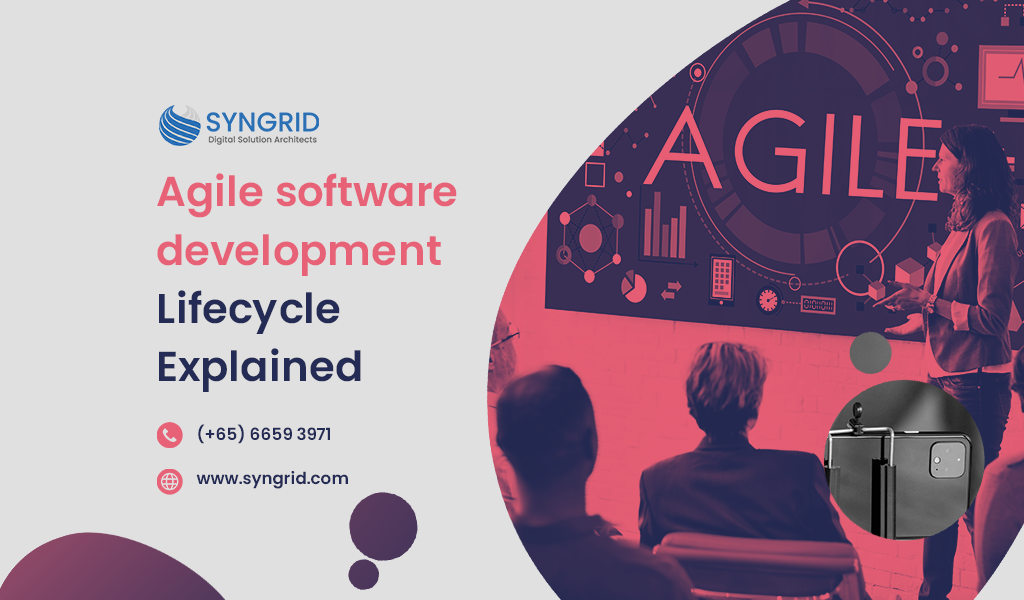
Agile Software Development Lifecycle Explained

Agile Software Development Lifecycle Explained The agile software development lifecycle is a modern approach to building software that emphasizes flexibility, collaboration, and continuous delivery. Unlike traditional methods that follow a rigid sequence, Agile promotes adaptability at every stage of development. In today’s fast-moving digital world, businesses demand software solutions that can evolve with user needs and market shifts. Agile answers that demand with a lifecycle that prioritizes iterative improvement and real-time feedback. In this article, we will take you through each stage of the agile software development lifecycle in detail, providing a deep understanding of how it works and why it’s a preferred methodology across the industry. 1. Concept & Planning   Every great software product begins with an idea. In the Agile framework, the concept and planning phase focuses on identifying the core objectives of the project and establishing a shared understanding among stakeholders. This phase involves Creating a high-level product vision Identifying key stakeholders and user personas Building the initial product backlog with prioritized user stories Estimating effort and determining release goals The planning is iterative and continues throughout the agile software development lifecycle. Unlike waterfall methodologies, Agile does not seek to lock everything down at the start. Instead, it leaves room for flexibility and refinements. 2. Requirements Analysis   In Agile, requirements gathering is continuous and collaborative. The product owner works closely with stakeholders to refine user stories and ensure they are well understood by the development team. Agile teams use just-in-time analysis, meaning that requirements are defined in more detail just before implementation. This phase includes: Writing user stories with clear acceptance criteria Prioritizing features based on business value Story refinement or “grooming” sessions The goal is to maintain a backlog that reflects current priorities and allows teams to stay agile in their planning and execution. 3. Design Design in the agile software development lifecycle is lean and focused. Rather than spending months on design documentation, Agile teams favor rapid prototyping and collaborative design sessions. Wireframes, mockups, and technical architecture discussions happen early and evolve through feedback. Design tasks include: Creating low-fidelity wireframes or interactive prototypes Defining data models and APIs Establishing technical architecture Aligning the UX/UI with business goals This stage sets a strong foundation for the upcoming development sprints without sacrificing agility. 4. Development   Development is where the iterative nature of Agile shines. Work is divided into time-boxed iterations called sprints, typically lasting 1–2 weeks. During each sprint, the development team builds a subset of the product’s functionality based on the prioritized user stories. Key practices include Daily stand-up meetings for team alignment Pair programming and code reviews for quality Test-driven development (TDD) Continuous integration (CI) The focus is on delivering potentially shippable increments at the end of every sprint. 5. Testing Quality assurance is embedded throughout the agile software development lifecycle. Testing begins as soon as development starts and continues until after release. Agile teams use both automated and manual testing to ensure the product meets expectations. Testing includes: Unit testing Integration testing Regression testing User acceptance testing (UAT) The early detection of bugs reduces rework and ensures that the final product is robust and reliable. 6. Deployment   Once a sprint is completed and the product increment is tested, it’s deployed to a staging or production environment. Agile teams often follow DevOps principles, ensuring smooth and automated deployment processes. Deployment steps include: Release planning and scheduling Version control and build management Rollback strategies in case of issues Thanks to continuous integration and continuous delivery (CI/CD), features can be released frequently and with minimal disruption. 7. Review & Feedback   Agile is customer-centric. At the end of each sprint, teams conduct a sprint review where stakeholders view the increment and provide feedback. This feedback loop helps to validate assumptions and refine future work. Sprint review activities include: Demonstrating completed stories Discussing what was achieved and what’s next Gathering user feedback for backlog refinement The feedback is immediately fed into the planning of the next sprint, keeping the agile software development lifecycle highly responsive. 8. Retrospective & Continuous Improvement   The final step in the cycle is the Sprint Retrospective. Here, the team reflects on the process and identifies areas for improvement. Common topics include: Team collaboration Tool effectiveness Sprint planning and execution Communication gaps Agile promotes a culture of continuous improvement, enabling teams to learn and grow from each sprint. Benefits of the Agile Software Development Lifecycle Using the agile software development lifecycle offers numerous benefits including Faster delivery of valuable features Improved stakeholder engagement Higher product quality Increased team collaboration Enhanced ability to manage changing priorities This methodology is especially beneficial for projects with evolving requirements or high uncertainty. Common Agile Frameworks   While Agile is a mindset, it can be implemented through various frameworks such as Scrum: The most popular, based on sprints and roles like Scrum Master and Product Owner Kanban: Focuses on visualizing work and limiting WIP (Work in Progress) XP (Extreme Programming): Emphasizes technical practices and engineering excellence. SAFe (Scaled Agile Framework): Tailored for large enterprises Each has its strengths and can be adapted to suit team size, project complexity, and organizational culture. Conclusion Grasping the agile software development lifecycle is vital for any business striving to stay ahead in today’s fast-paced digital world. Whether you’re building a New Website or App, optimizing workflows, or upgrading legacy systems, Agile gives you the structure and responsiveness you need to thrive. At Syngrid Technologies, we empower businesses to implement Agile methodologies effectively. Through our comprehensive IT consulting services, we provide hands-on Agile coaching, full lifecycle development support, and strategic alignment with your digital goals. We’re here to help you unlock the full potential of Agile and deliver software that drives real value.

Scroll to Top