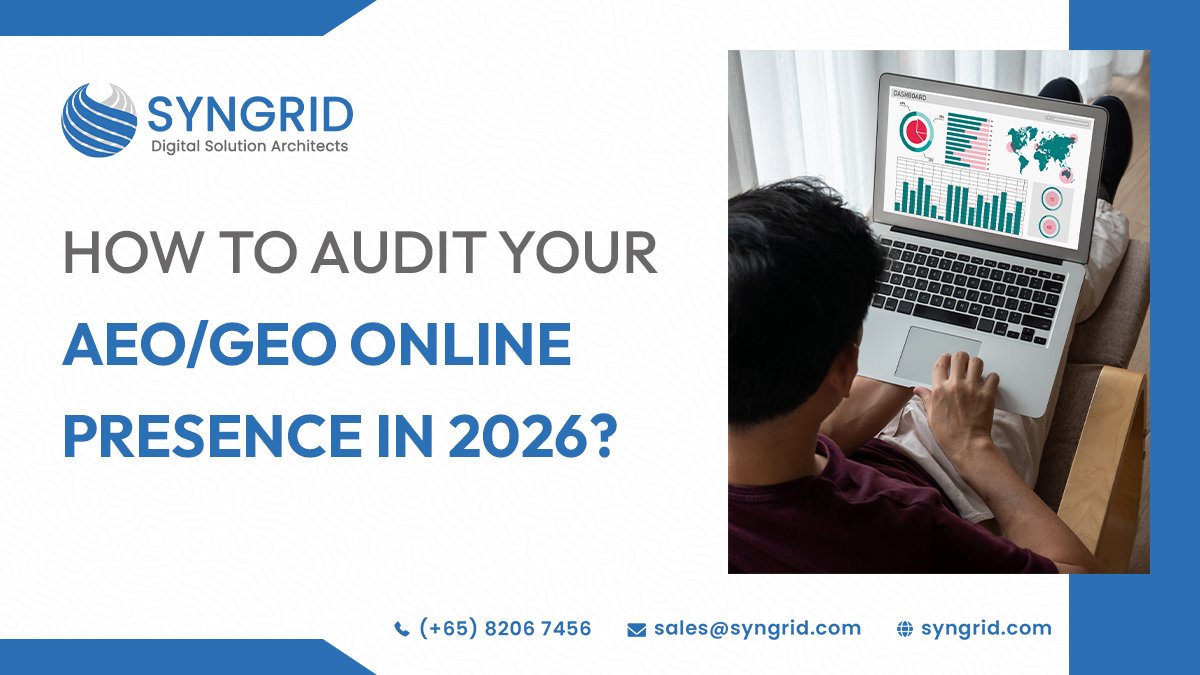
How to Audit Your AEO/GEO Online Presence in 2026
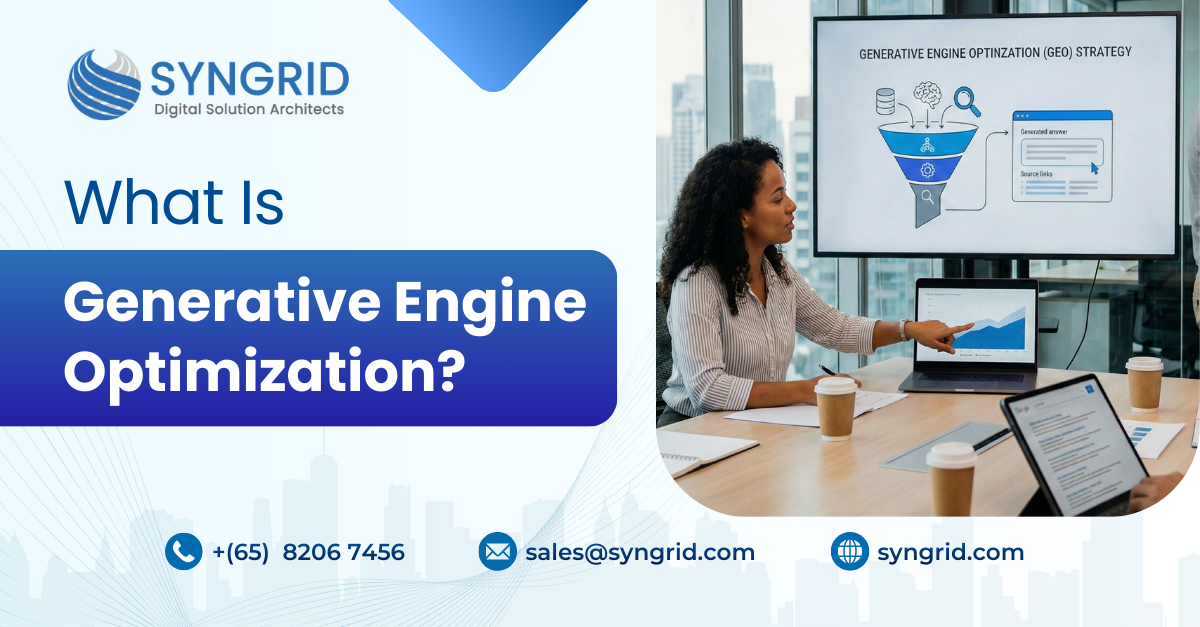
“ “In the age of AI-driven search, visibility is no longer about ranking first—it’s about being understood, trusted, and selected. Search is evolving rapidly. Traditional SEO is no longer enough to maintain digital visibility. With the rise of AI search engines, voice assistants, and generative answer platforms, businesses must now optimize for AEO (Answer Engine Optimization) and GEO (Generative Engine Optimization). In 2026, your brand’s online presence depends not only on keyword rankings but also on how AI systems interpret, validate, and present your content. If your business is not visible in AI-generated responses, conversational search, or zero-click answers, you are already falling behind. This guide explains how to audit your AEO/GEO online presence in 2026, step by step, and how to strengthen your authority, accuracy, and discoverability across AI-powered platforms. Understanding AEO and GEO in 2026 AEO (Answer Engine Optimization) focuses on optimizing content so it can be easily understood and selected by AI-powered answer engines such as voice assistants, smart search tools, and conversational bots. GEO (Generative Engine Optimization) ensures that your content is recognized, trusted, and cited by generative AI systems that summarize, recommend, and generate answers. Together, AEO and GEO define how your brand appears in modern search ecosystems where AI chooses the answer instead of users clicking links. Why Auditing Your AEO/GEO Presence Matters? In 2026, users increasingly rely on: AI chat interfaces Voice search Smart assistants Zero-click search results This means fewer people are scrolling through traditional search listings. If your content is not structured, authoritative, and contextually optimized, AI systems may ignore it completely. Regular AEO/GEO audits help ensure: Strong AI visibility Higher brand trust Improved lead quality Better conversion potential Auditing is no longer optional. It is a competitive necessity. Step 1: Analyze How AI Systems Currently See Your Brand Start by testing your visibility in AI-driven platforms. Search your brand, services, and core topics using: AI chat engines Voice search assistants Generative search tools Check whether your business is: Mentioned Recommended Cited as a source Used in answer summaries If your brand rarely appears, it indicates a weak AEO/GEO footprint. Also analyze whether AI responses accurately describe your offerings. Misinformation or vague mentions suggest content gaps and authority issues. Step 2: Review Your Content Structure for AI Readability AI systems prioritize content that is easy to scan, interpret, and extract answers from. Audit your website content for: Clear headings and subheadings Short, structured paragraphs Simple language Direct answers to questions Logical flow of information Content buried inside long blocks of text, poor formatting, or excessive jargon becomes difficult for AI to interpret. Well-structured content increases the probability of being selected as a trusted answer source. Step 3: Evaluate Entity Recognition and Brand Authority AI systems rely heavily on entity recognition, which means they identify brands, services, locations, and expertise as trusted digital entities. Check if your business: Has consistent branding across platforms Appears in knowledge panels Is referenced across authoritative websites Has structured business data Your brand should be clearly connected with your services, industry, and expertise. Weak digital entity signals lead to lower AI trust and visibility. Step 4: Audit Your Structured Data and Schema Markup Schema markup helps AI systems understand your content contextually. Audit your website for: Organization schema Product and service schema FAQ schema Article and blog schema Review and rating schema Correct schema implementation improves: AI comprehension Answer extraction Knowledge graph inclusion Rich result eligibility Without structured data, even high-quality content may remain invisible to AI platforms. Step 5: Check Your Presence in Knowledge Graphs and Data Sources Generative AI systems often pull information from: Knowledge graphs High-authority websites Trusted business directories Public databases Audit your listings on: Google Business Profile LinkedIn company pages Industry directories Review platforms Ensure consistency in: Business name Service descriptions Location details Contact information Inconsistent data weakens AI trust and affects your brand credibility. Step 6: Analyze Your Topical Authority Depth AI prioritizes websites that demonstrate deep topical coverage rather than scattered content. Audit your blog and resource sections for: Topic clusters Supporting content Internal linking Content freshness If your website has only surface-level articles, AI may not recognize your expertise. Deep, structured knowledge signals increase your authority across AI search ecosystems. Step 6: Analyze Your Topical Authority Depth AI prioritizes websites that demonstrate deep topical coverage rather than scattered content. Audit your blog and resource sections for: Topic clusters Supporting content Internal linking Content freshness If your website has only surface-level articles, AI may not recognize your expertise. Deep, structured knowledge signals increase your authority across AI search ecosystems. Step 7: Evaluate Brand Mentions and Citations AI systems learn from online references. Audit your brand mentions across: Blogs News articles Partner websites Industry publications High-quality backlinks and brand citations strengthen: Domain authority Entity trust Generative visibility The more credible sources mention your brand, the more likely AI will trust and recommend you. Step 8: Assess User Experience and Technical Performance AEO/GEO audits also include technical health. Check for: Page load speed Mobile responsiveness Core web vitals Accessibility compliance Secure HTTPS infrastructure AI systems favor technically optimized websites because they deliver better user experiences. Slow or broken sites lose trust signals. Step 9: Track AI Visibility and Engagement Metrics Traditional analytics alone are no longer enough. Track: AI-generated traffic Zero-click impressions Brand mentions in AI outputs Voice search visibility Conversational engagement metrics These indicators reveal whether your AEO/GEO strategies are working effectively. Building a Strong AEO/GEO Strategy for 2026 After auditing, your strategy should focus on: Creating intent-driven content Strengthening structured data Building topical authority Enhancing brand entity signals Improving technical performance AEO and GEO success comes from system-level optimization, not isolated tactics. This is where businesses increasingly rely on expert digital partners. At Syngrid Technologies, organizations receive structured AEO/GEO audit frameworks and AI-driven content strategies designed to improve generative visibility, search authority, and AI trust signals across platforms. The Future of Search Belongs to Context and Trust As AI becomes the primary gateway to information, businesses must shift from